
Kavach™ · Smart dielectric harnessFall protection that won't conduct, and warns you of live lines.
A fully non-conductive full-body harness with a voltage-detection module on the shoulder.
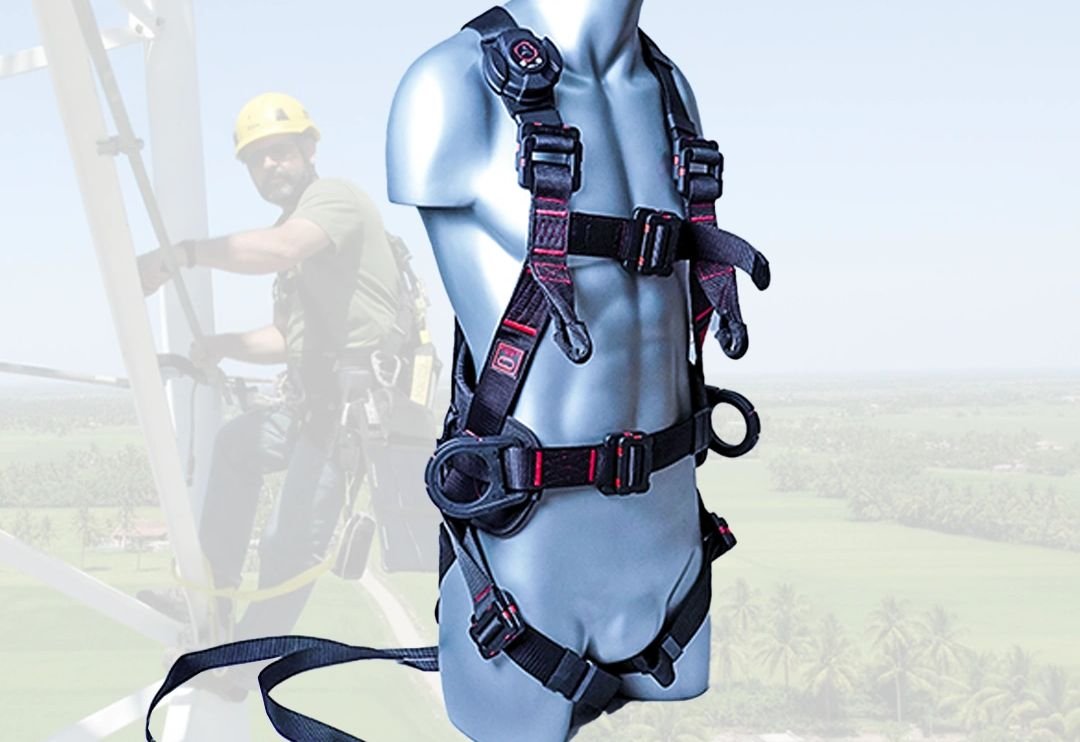
Two protections in one harness
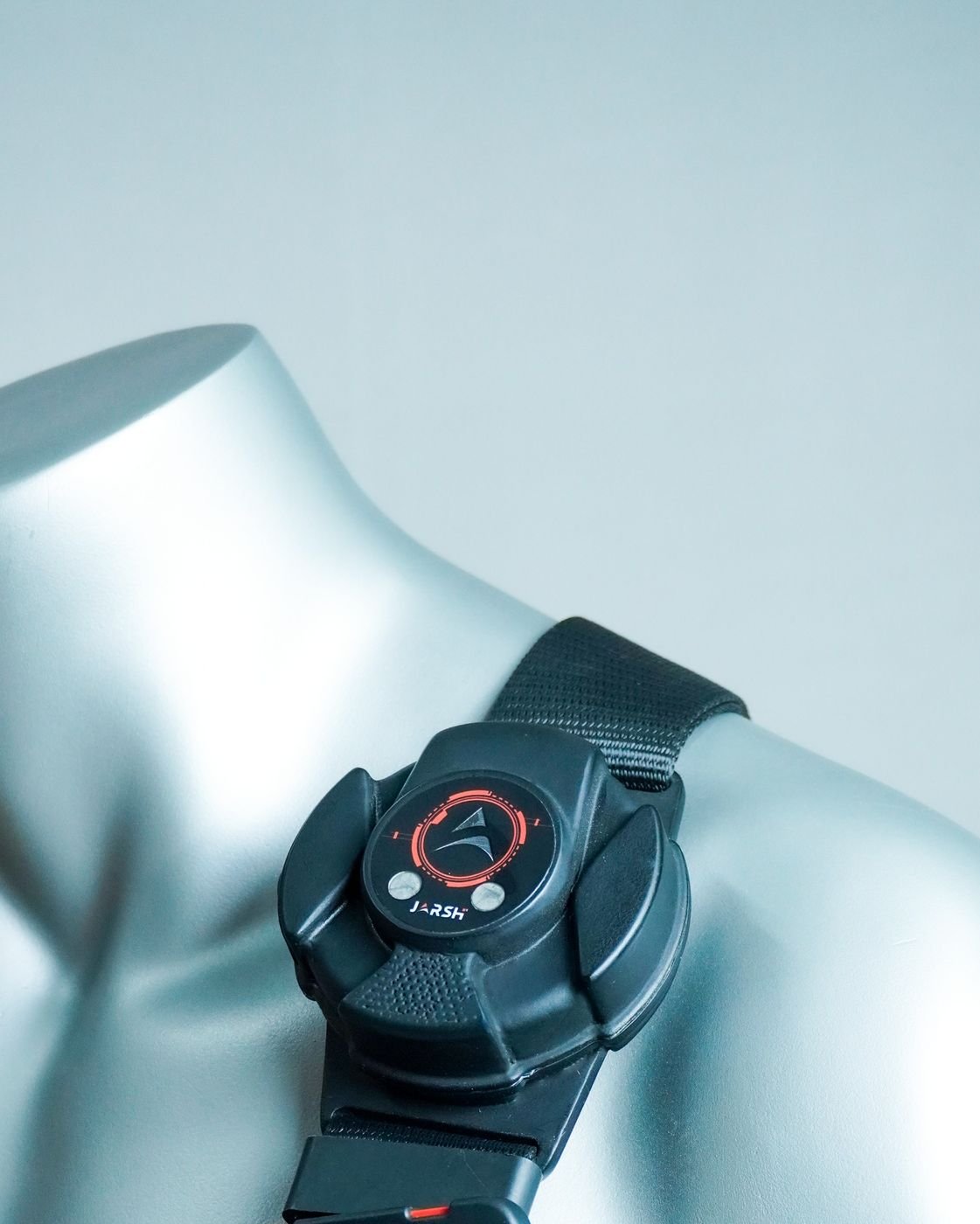
For linemen who climb
Work at height on electrical structures carries two risks at once: a fall, and contact with a live conductor. A standard harness with metal hardware does nothing about the second, and can make it worse. Kavach removes conductive parts from the harness and adds an early warning on the shoulder.
- Fully non-conductive construction; plastic-coated, dielectric buckles and adjusters
- Non-conductive dorsal D-ring for fall arrest; dual chest loops; two side D-rings for positioning
- Non-contact detection of live AC 220 V – 66 kV
- Alerts by LED, buzzer and vibration, with smart silence and auto-reactivation
- EN 361:2002 and EN 358:2018; CE marked; tested by National Test House, Kolkata
An alarm on the shoulder, where the head and hands go
Range
Detects live AC voltage from 220 V to 66 kV without contact.
220 V – 66 kV ACModule
Shoulder-mounted electronics, rated IP65.
IP65Battery
600 mAh lithium polymer, USB Type-C, about 1 hour to charge, up to 60 hours standby, about 300 charge cycles.
60 h standbyThree ways to get the message
- Visual: LED alert on the shoulder module
- Audio: buzzer
- Vibration: felt through clothing, even on a noisy site
- Smart silence mode: temporary mute in a known live zone, with automatic re-activation
- 3-level battery indicator; 600 mAh Li-Po, USB Type-C, ~1 h charge, up to 60 h standby
An early warning, not a permit to work. Non-contact detection tells a worker that a live field is near. It does not prove a conductor is dead. Keep isolating, testing with an approved contact tester and earthing before any work on a line, exactly as your safety rules require.
Fall arrest and positioning, without metal in the way
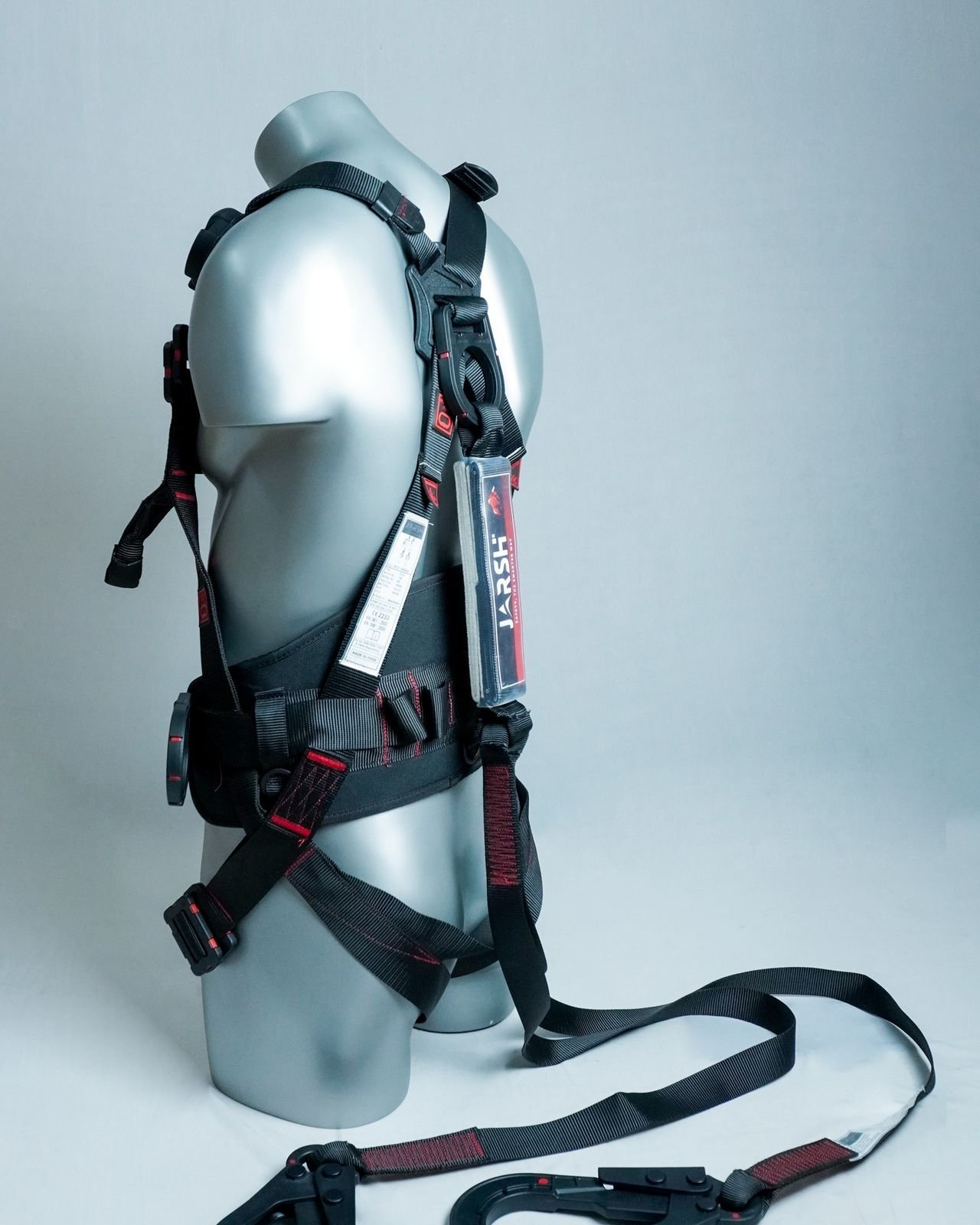
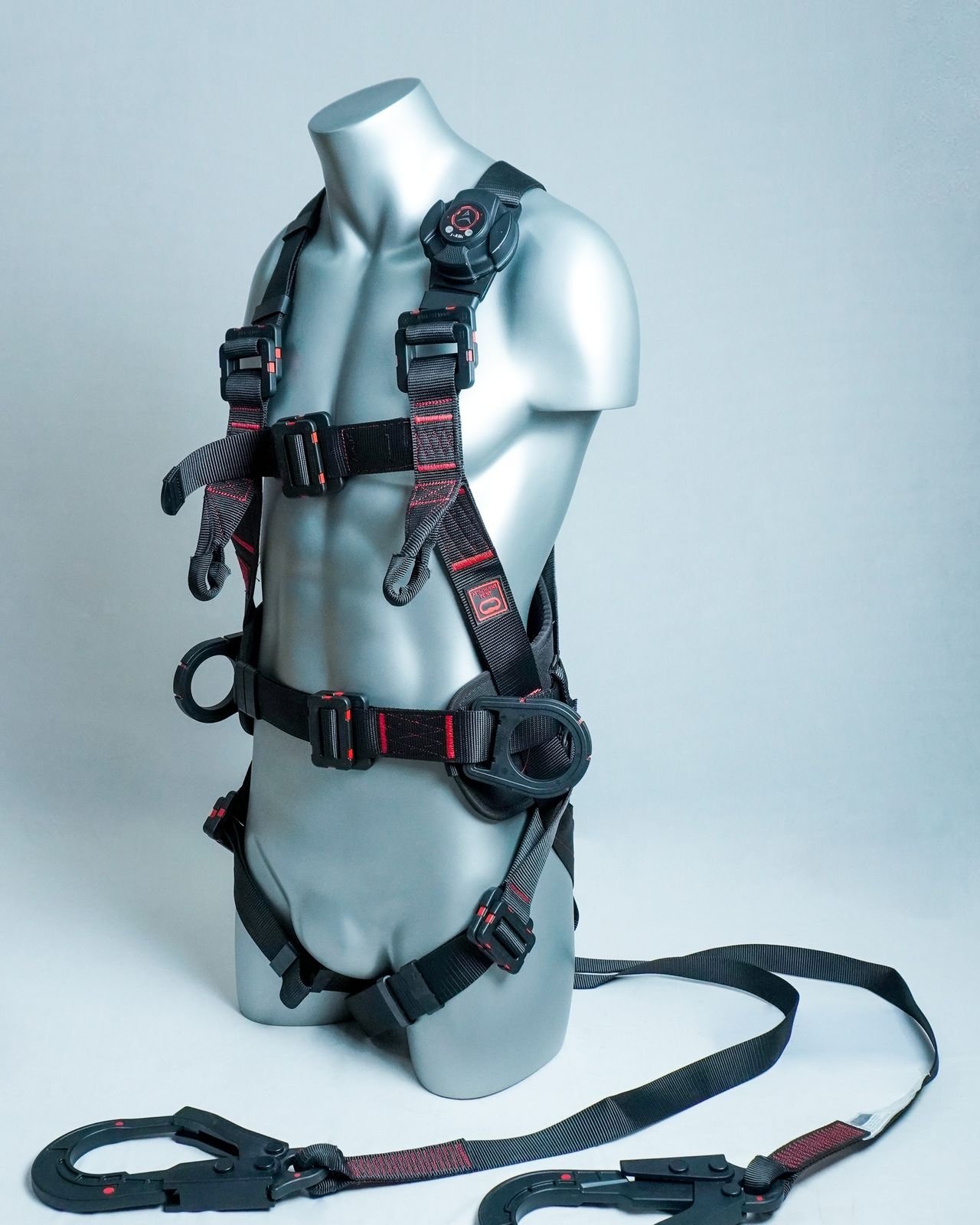
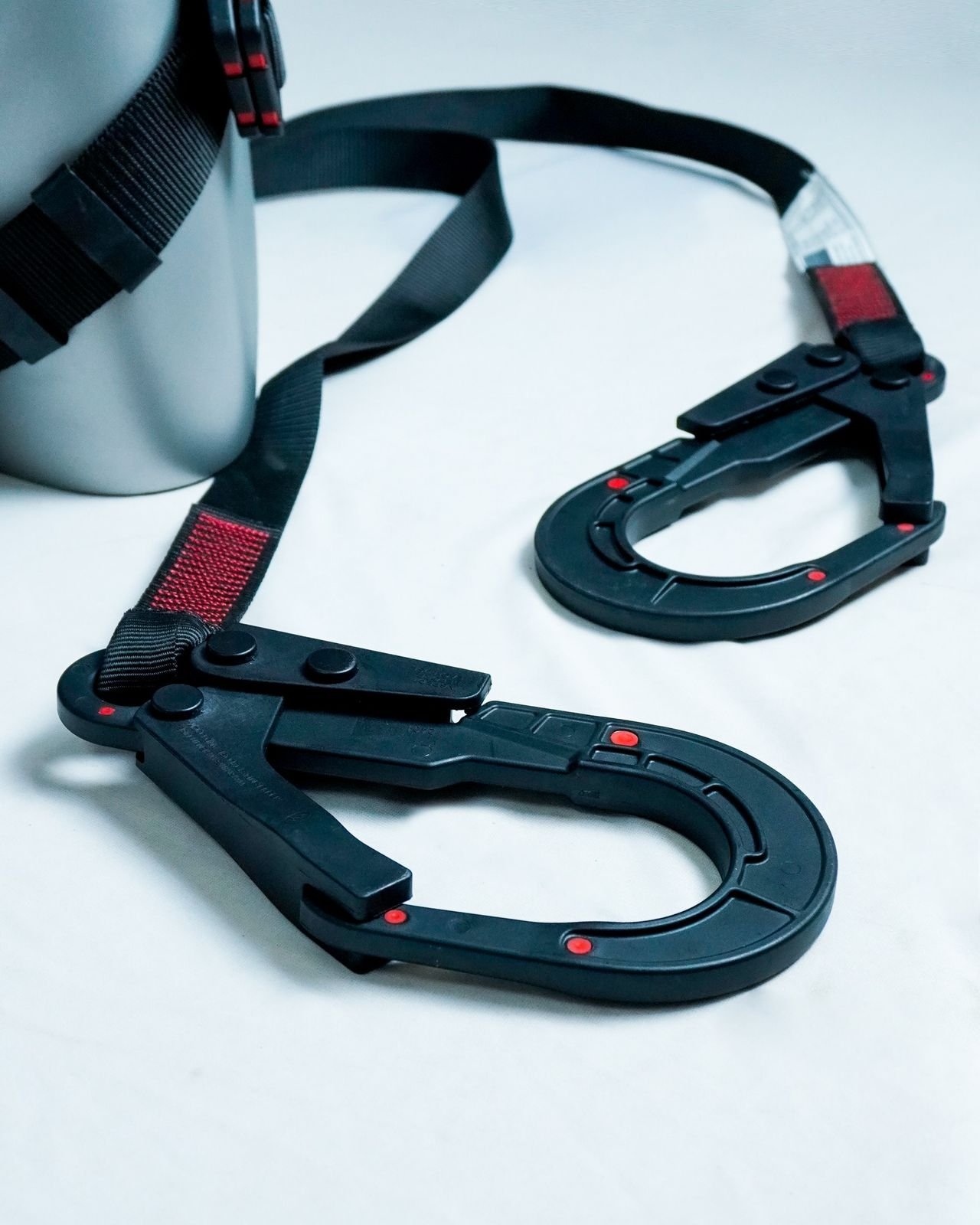
Chest
Dual textile loops for fall arrest.
Fall arrestDorsal
One non-conductive D-ring for fall arrest.
Fall arrestWaist
Two side D-rings for work positioning; integrated comfort waist pad.
Work positioningSpecifications
Kavach™ Dielectric HarnessPGH-08(DE)
Harness construction
- Webbing
- 44 mm high-tenacity polyester
- Construction
- Fully non-conductive
- Buckles and adjusters
- Plastic coated / dielectric
- Waist pad
- Integrated comfort padding
Attachment points
- Chest
- Dual textile loops (fall arrest)
- Dorsal
- 1 non-conductive D-ring (fall arrest)
- Waist
- 2 side D-rings (work positioning)
Performance and strength
- Static strength
- ≥ 15 kN, all attachment points
- Webbing breaking strength
- ≥ 25 kN
- Dynamic performance
- 100 kg mass dropped from 4 m: passed
- Positioning performance
- Lateral D-rings withstand 15 kN; 1 m drop test: passed
Voltage detection
- Type
- Non-contact voltage sensing
- Range
- 220 V – 66 kV AC
- Alert modes
- Visual (LED), audio (buzzer), vibration
- Smart silence
- Temporary mute with auto-reactivation
- Battery indicator
- 3-level LED
Battery
- Type
- Rechargeable lithium polymer
- Capacity
- 600 mAh
- Charging
- USB Type-C, ~1 hour
- Standby
- Up to 60 hours
- Battery life
- ~300 charge cycles
Environment and weight
- Operating temperature
- −10 °C to +50 °C
- Storage temperature
- −20 °C to +60 °C
- Humidity
- Up to 95 % (non-condensing)
- Detection module
- IP65
- Approx. weight
- 5.6 kg (with electronics)
Compliance
- Fall arrest
- EN 361:2002 full body harness
- Work positioning
- EN 358:2018
- Marking
- CE
- Tested and certified by
- National Test House, Kolkata (India)
Specifications per Jarsh TDS PGH-08(DE) V0.2 · 09.2025.
Standards and testing
EN 361:2002
Personal fall protection: full body harnesses (fall arrest).
EN 358:2018
Work positioning and restraint systems.
CE marked
As shown on the technical data sheet.
National Test House, Kolkata
Tested and certified, per the technical data sheet.
Detection module IP65
Dust-tight and protected against low-pressure water jets.
Product code PGH-08(DE)
Quote this code on purchase orders and tenders.
Inspect it like a harness. Charge it like a device.
Before every use
- Inspect the harness and electronics
- Make sure the battery is adequately charged
- Do not use if webbing, buckles or housing show damage
- For use only by trained and authorised personnel
Cleaning and storage
- Clean with a dry cloth only
- Do not immerse the electronic module in water
- Store between −20 °C and +60 °C
- Recharge over USB Type-C (about 1 hour)
More from Electrical Safety
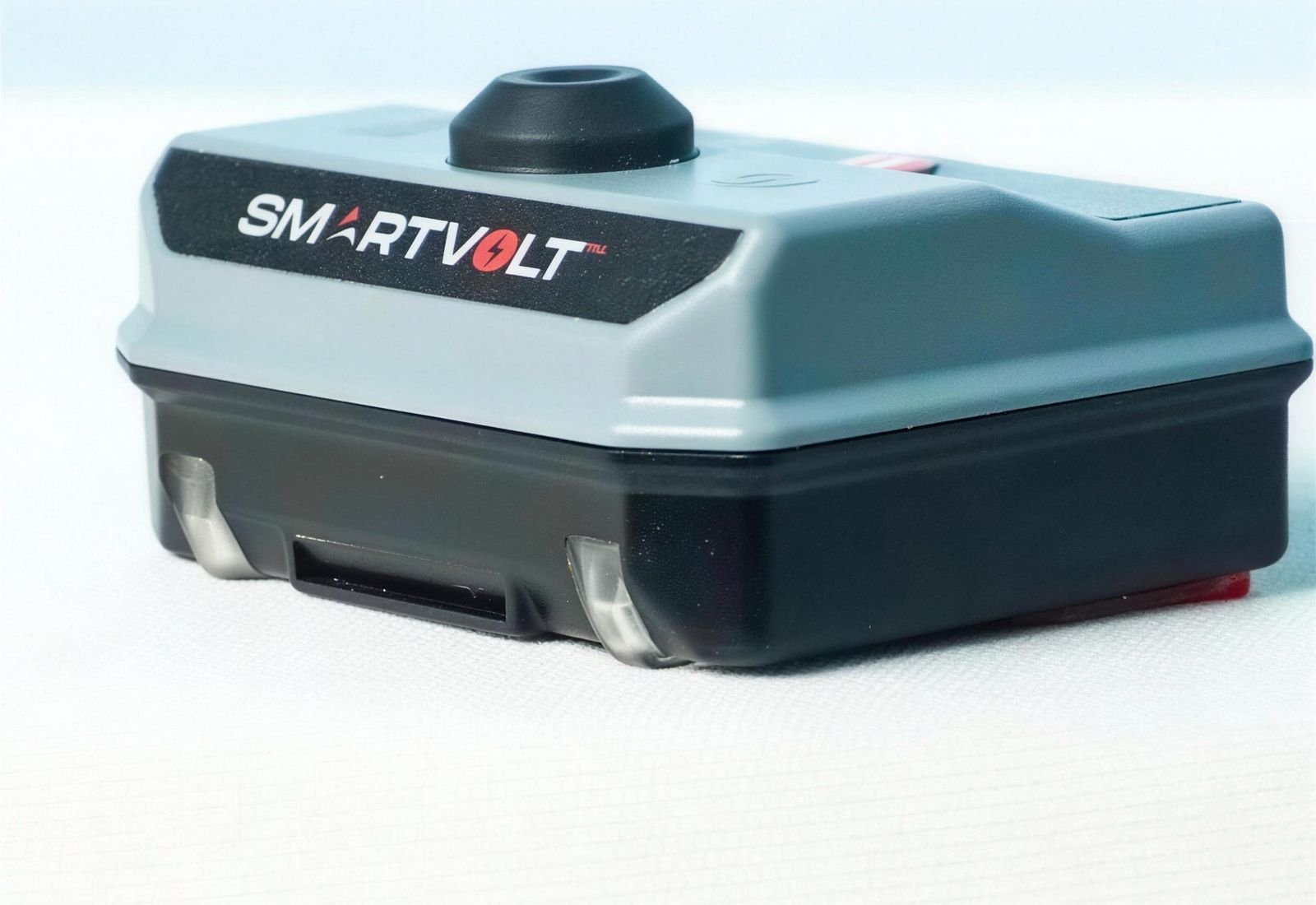
SmartVolt™
Clip-on non-contact voltage detector for helmet, wrist or PPE.
View product →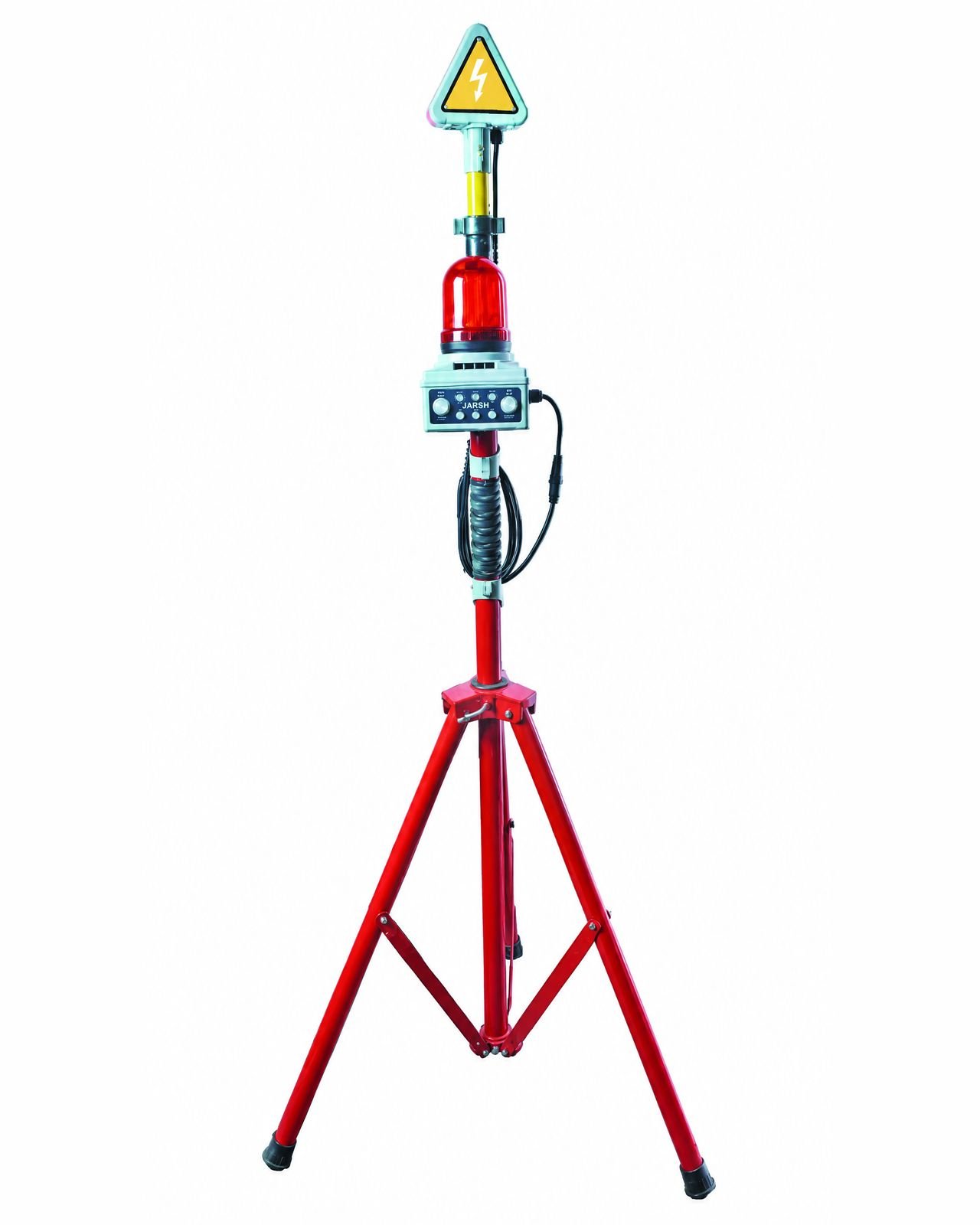
VoltRadar™
Tripod-mounted sentry that watches a whole work zone, up to 3.1 m high.
View product →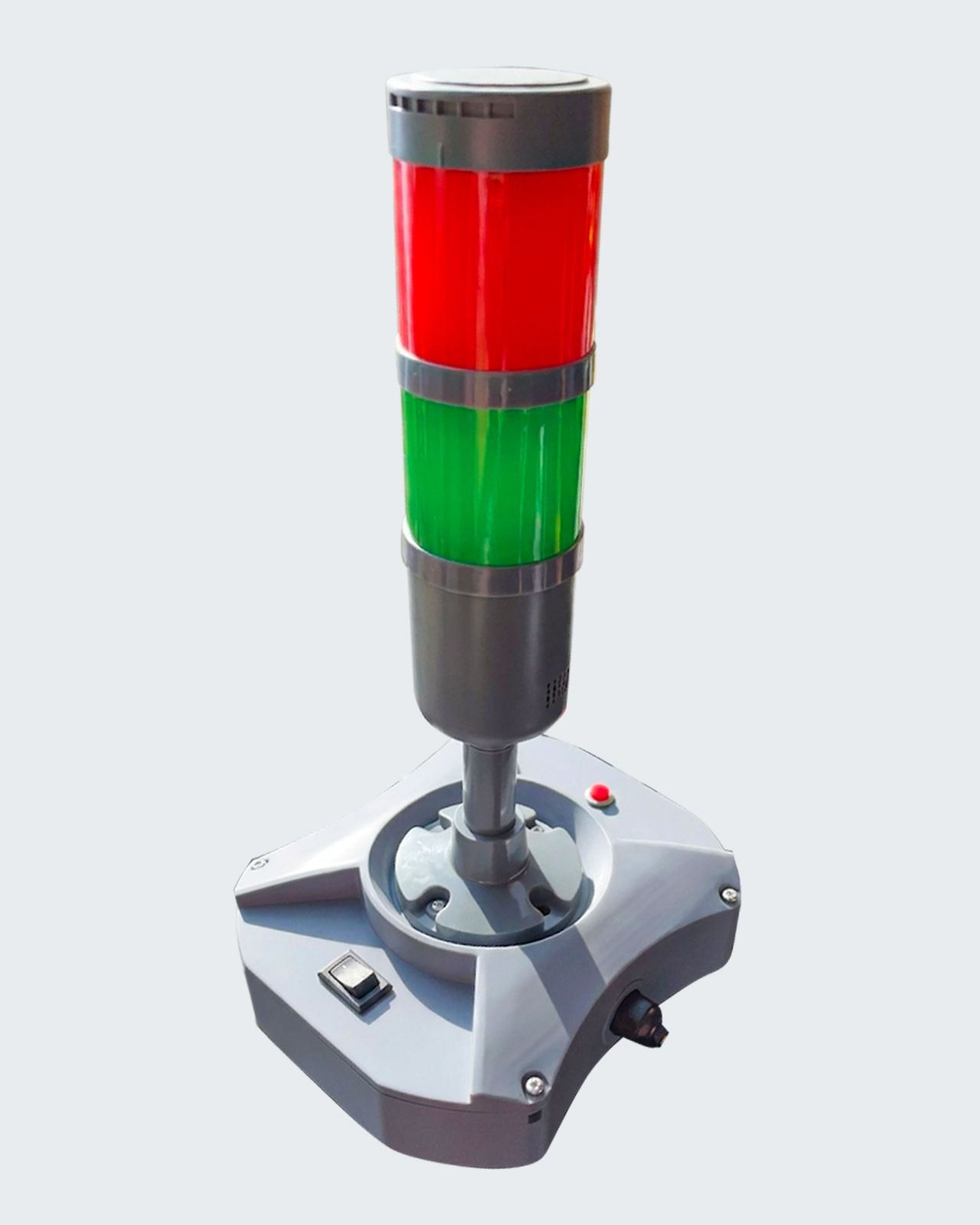
ClearVolt™
Vehicle-mounted detector that arms itself with the ignition.
View product →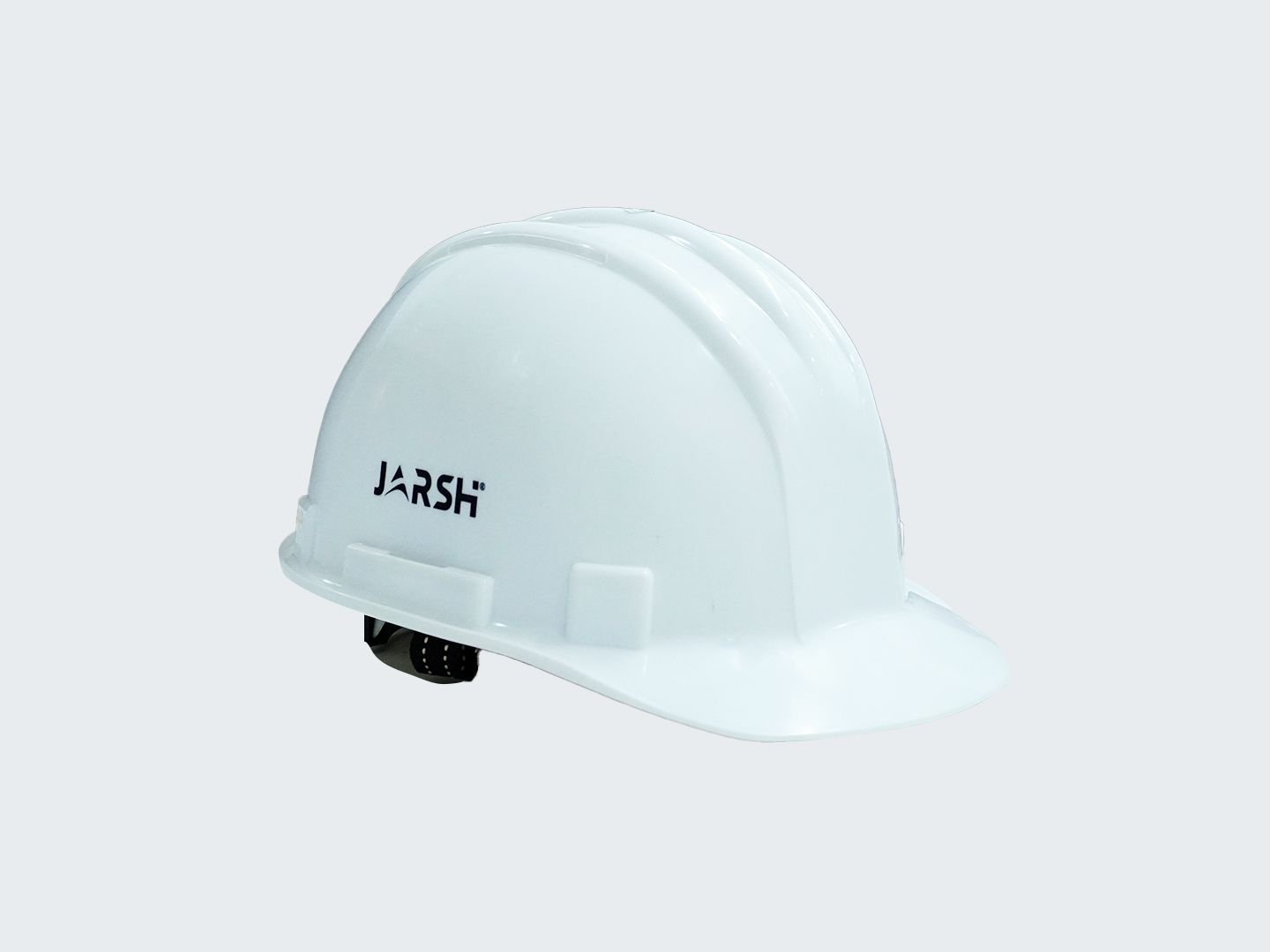
Electrical Safety Helmet
IS 2925 helmet, Class E, withstands 20 kV for 30 minutes.
View product →Common questions
Still unsure? Ask us: we reply within 24 hours.
What makes the harness dielectric?
What voltages does the detector cover?
How does it alert the wearer?
Which standards does it meet?
How long does the battery last?
Can I wash it?
Does it replace isolation and earthing?
Equip your tower and line crews with Kavach.
Tell us about your crews and structures. We'll arrange a fitting and a demonstration.
Our team replies within 24 hours.