
Electrical Safety SolutionsWarn before contact. Protect at contact.
Non-contact voltage detectors for the worker, the work zone and the vehicle, plus dielectric fall protection and Class E head protection. Built for utilities, telecom and industrial crews who work beside live conductors every day.
Start with how your people work
Most sites use more than one: a wearable for every worker, a sentry where the hazard is fixed, and the right PPE underneath.
A crew in one work zone
Stand a sentry at the edge of the job, up to 3.1 m high, heard by everyone. VoltRadar™ →
TripodVehicles near lines
Fit once; it arms with the ignition and alerts the driver in the cab. ClearVolt™ →
VehicleClimbing electrical structures
Non-conductive harness with a detector on the shoulder. Kavach™ →
HarnessNot sure?
Tell us the voltages, tasks and crew sizes, and we'll recommend a combination. Ask our team →
AdviceThe Electrical Safety range
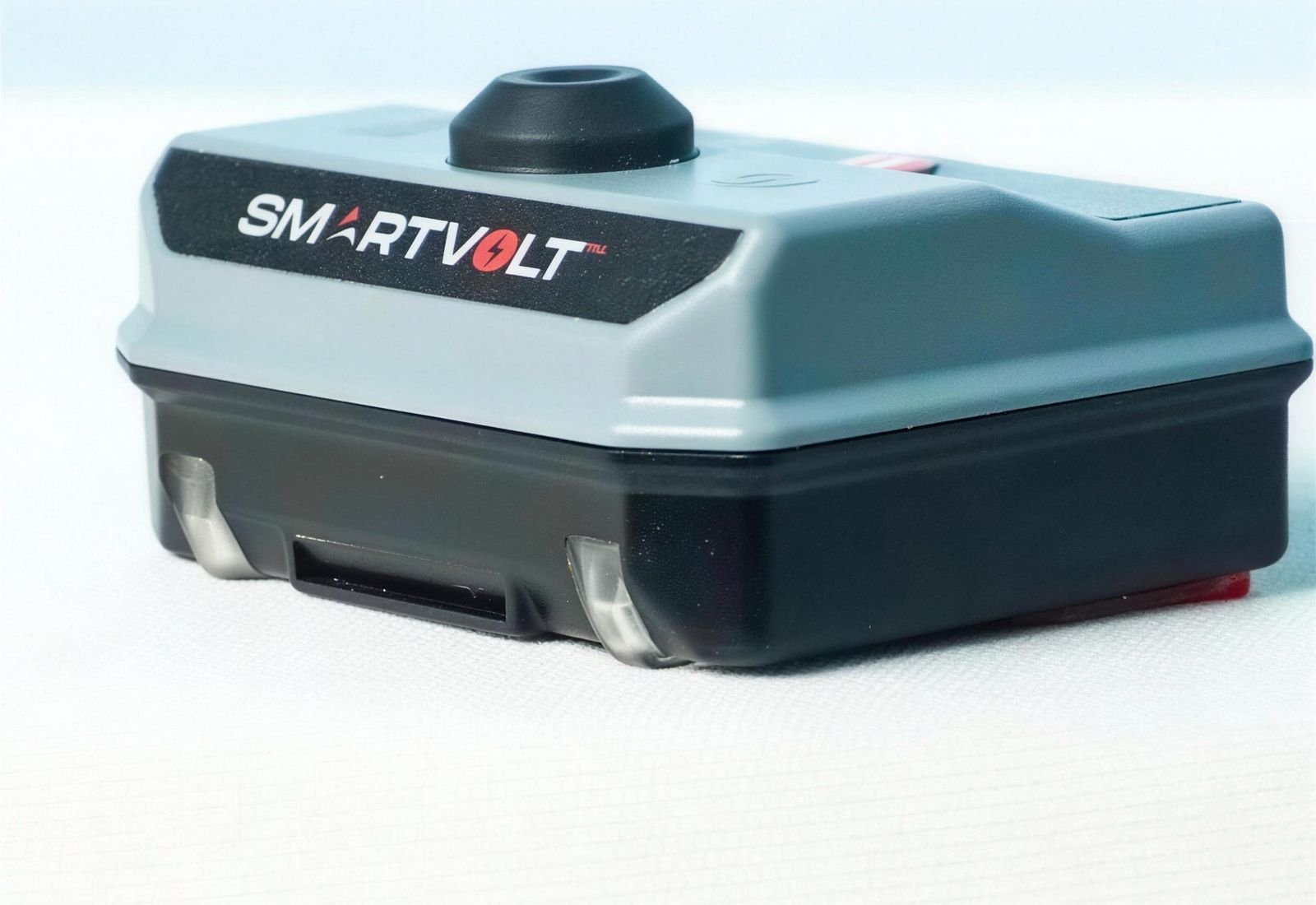
SmartVolt™
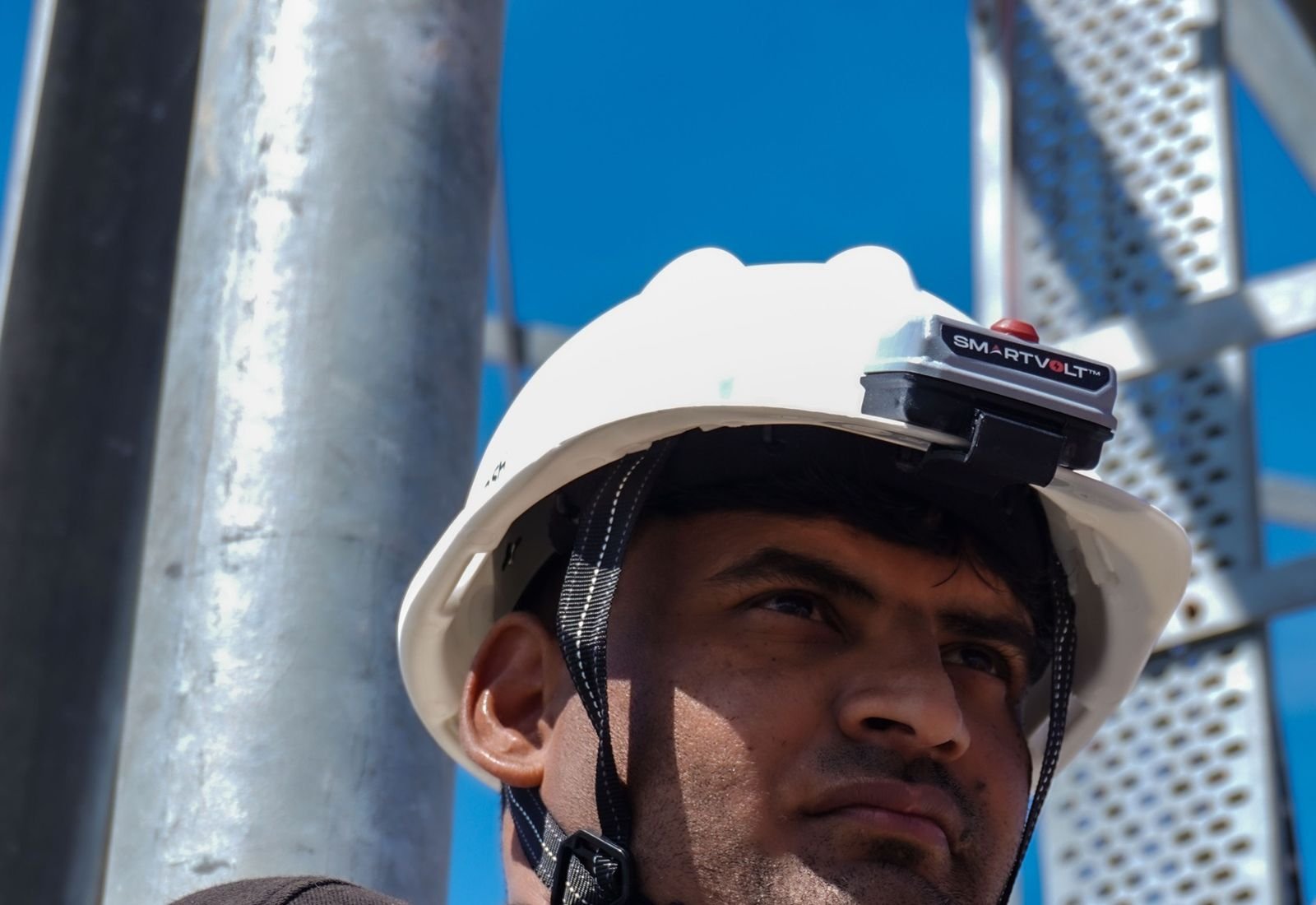
Wearable non-contact detector: 220 V – 66 kV, 50–70 g, up to 200 h. Three models.
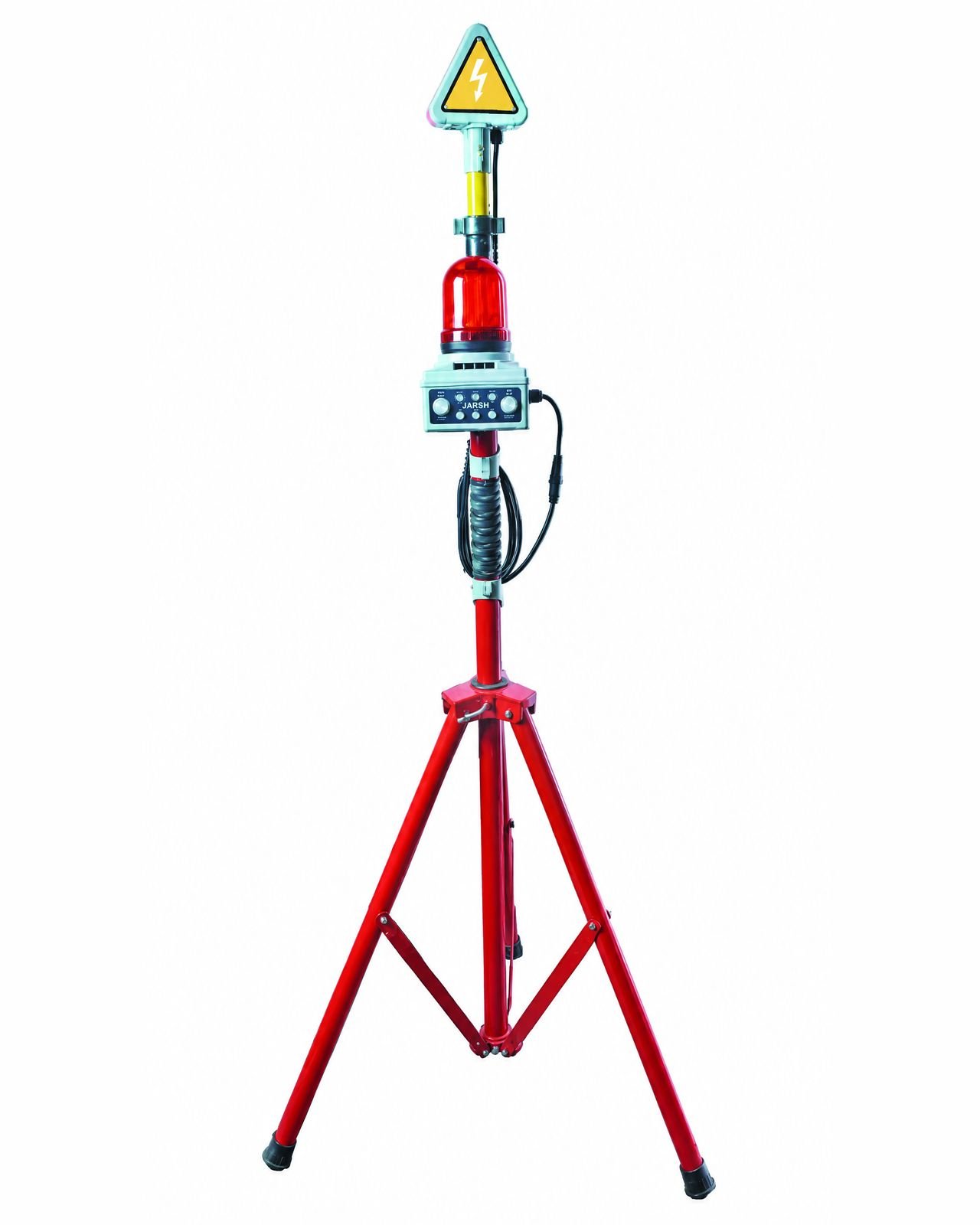
VoltRadar™
Tripod-mounted zone sentry, up to 3.1 m, 90 dB, app-configurable.
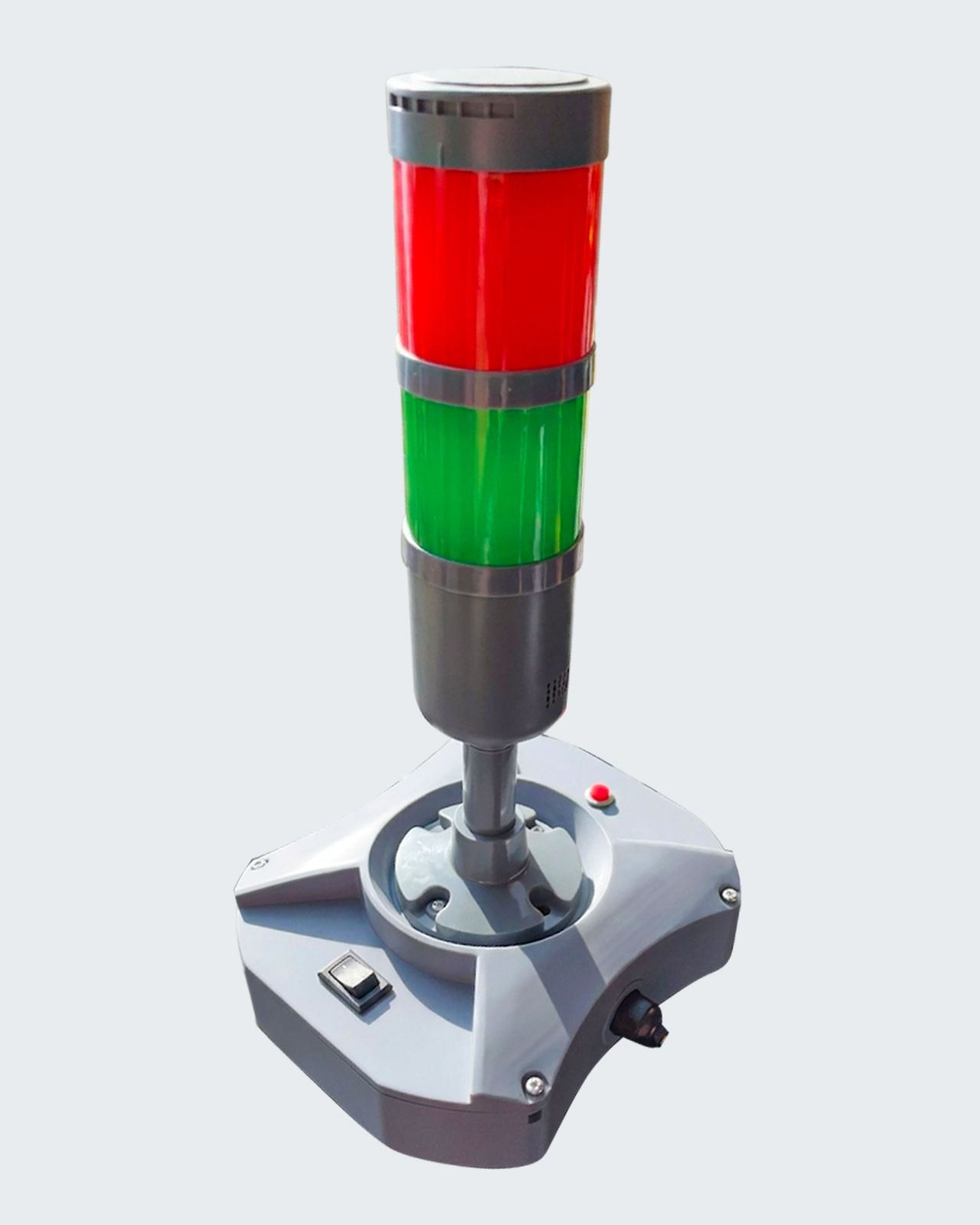
ClearVolt™
Vehicle-mounted detector to 132 kV; arms with the ignition.
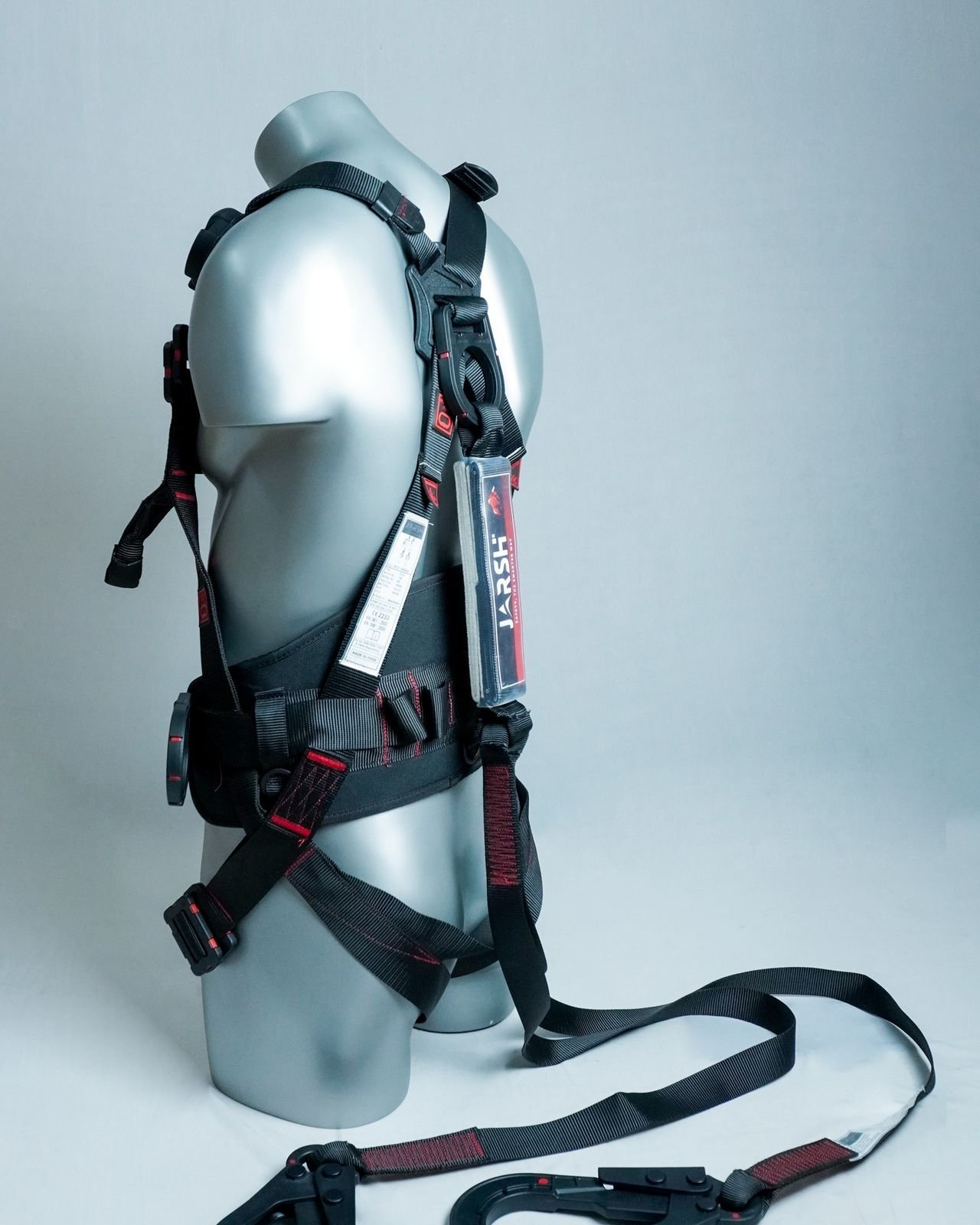
Kavach™ Dielectric Harness
Fully non-conductive EN 361 / EN 358 harness with built-in voltage detection.
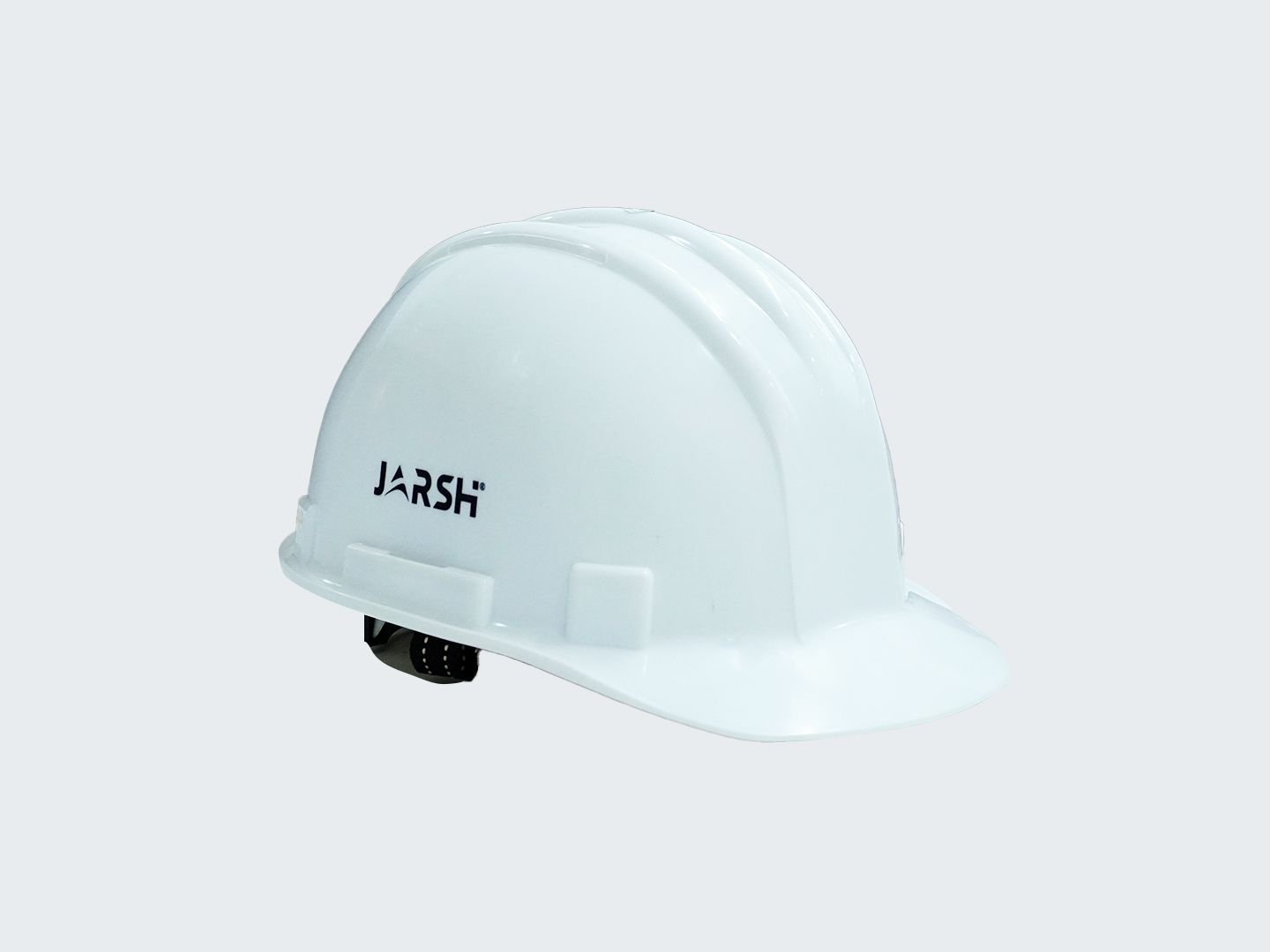
Electrical Safety Helmet
IS 2925:2014 and ANSI Z89.1 Class E; withstands 20 kV for 30 minutes.
Detection products side by side
All values from current Jarsh technical data sheets.
| WearableSmartVolt™ | Zone sentryVoltRadar™ | VehicleClearVolt™ | HarnessKavach™ | |
|---|---|---|---|---|
| Detection | ||||
| Worn / mounted | Helmet, wrist, PPE | Tripod, up to 3.1 m | Vehicle, fixed | Harness shoulder |
| AC range | 220 V – 66 kV | 220 V – 66 kV | 220 V – 132 kV | 220 V – 66 kV |
| Alarm at 66 kV | 2.5 m | 2.5 m (adjustable) | 2.5 m (adjustable) | — |
| Alerts | Buzzer + LED | 90 dB buzzer + LED | 90 dB beep + in-cab LED | LED + buzzer + vibration |
| App configuration | ||||
| SmartPause™ / smart silence | ||||
| Power and build | ||||
| Power | AAA cells or 600 mAh rechargeable | 11.1 V 5000 mAh Li-ion | Vehicle supply | 600 mAh Li-Po |
| Runtime | 150–200 h | 100 h | With ignition | 60 h standby |
| Ingress protection | IP55 | IP65 | IP65 | IP65 (module) |
| Weight | 50–70 g | 8 kg | ~2 kg | 5.6 kg (with electronics) |
| SmartVolt → | VoltRadar → | ClearVolt → | Kavach → | |
Layers of protection, not a single device
Isolate and earth
Permit to work, isolation, contact testing and earthing remain the first line of defence. Jarsh detectors do not replace them.
Warn before contact
Non-contact detectors (SmartVolt, VoltRadar, ClearVolt, Kavach) sound the alarm when someone, or something, gets close to a live line.
Protect at contact
Dielectric PPE (the Kavach harness and the Class E JSH-01 helmet) keeps conductive paths away from the body.
Prove it
Data sheets, test certificates and field case studies support your audits and tenders.
Chosen over the incumbent after a 45‑day trial
“The SmartVolt fundamentally changed how our Electrical Maintenance Engineer teams approach preliminary checks. We no longer had to risk contact or rely on complicated procedures for a simple ‘live or dead’ confirmation.”Network Maintenance Engineer, leading Indian internet service provider, Hyderabad
Common questions
Can't find what you need? Call +91 8340 84 84 84 or write to info@jarshsafety.com.
Which detector should a lineman wear?
What is the highest voltage Jarsh detectors cover?
Do non-contact detectors replace isolation and earthing?
Do you work with utilities and contractors on large rollouts?
Can I become a Jarsh dealer for electrical safety products?
Where can I get data sheets and test certificates?
Protect your crews from live-line contact.
Tell us the voltages your teams work near and how they work. We'll recommend the right mix, arrange a demo and quote.