
ATEX Zone Solutions · Hazardous areasSafe kit for explosive atmospheres. Matched to your zone.
Phones, man-down alarms, lights, ventilation and fall protection for refineries, gas plants, chemical and pharma works.
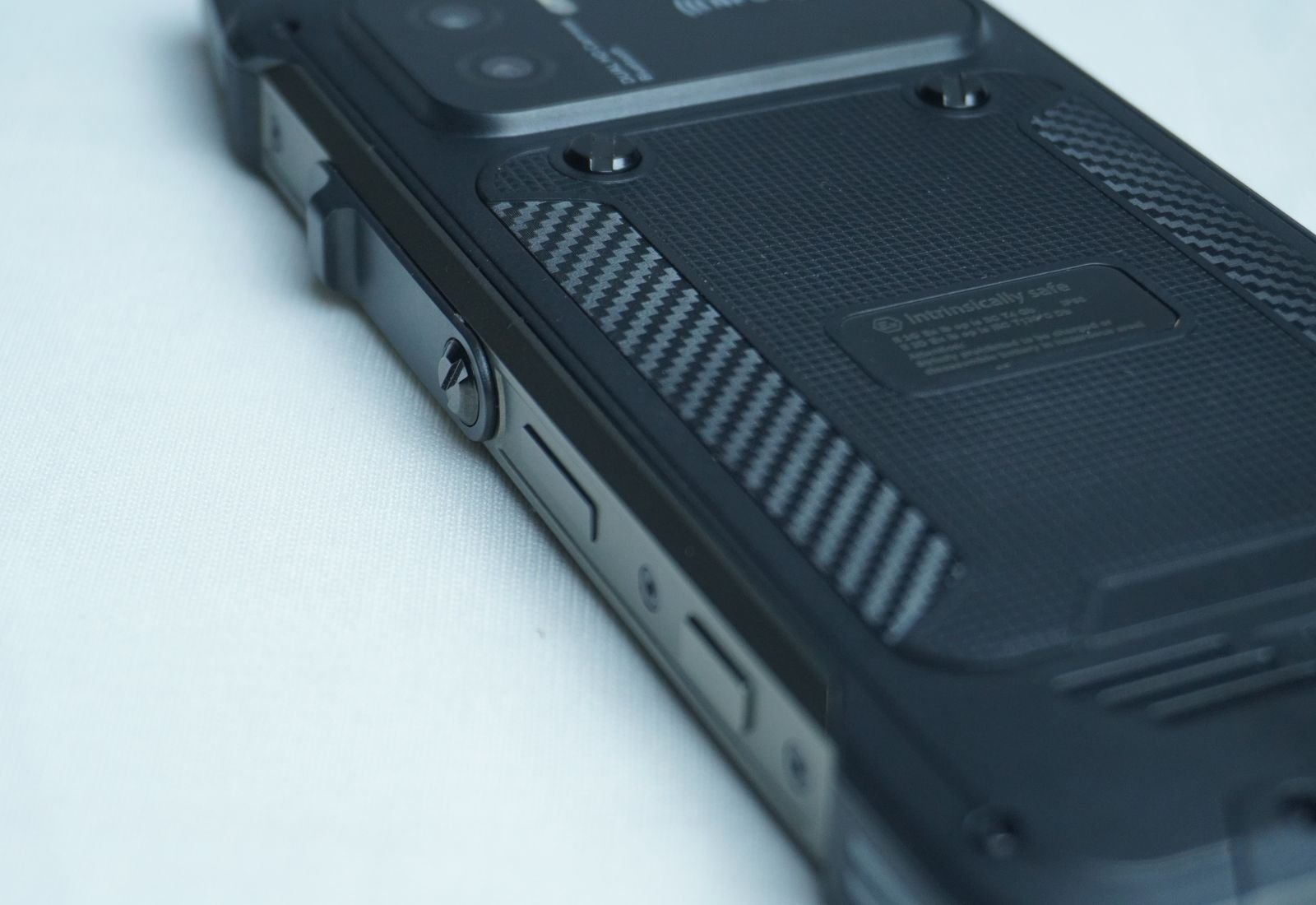
Everything for a hazardous-area crew
Some of these products also sit in other ranges (lighting, ventilation, fall protection).
Communication & lone-worker safety
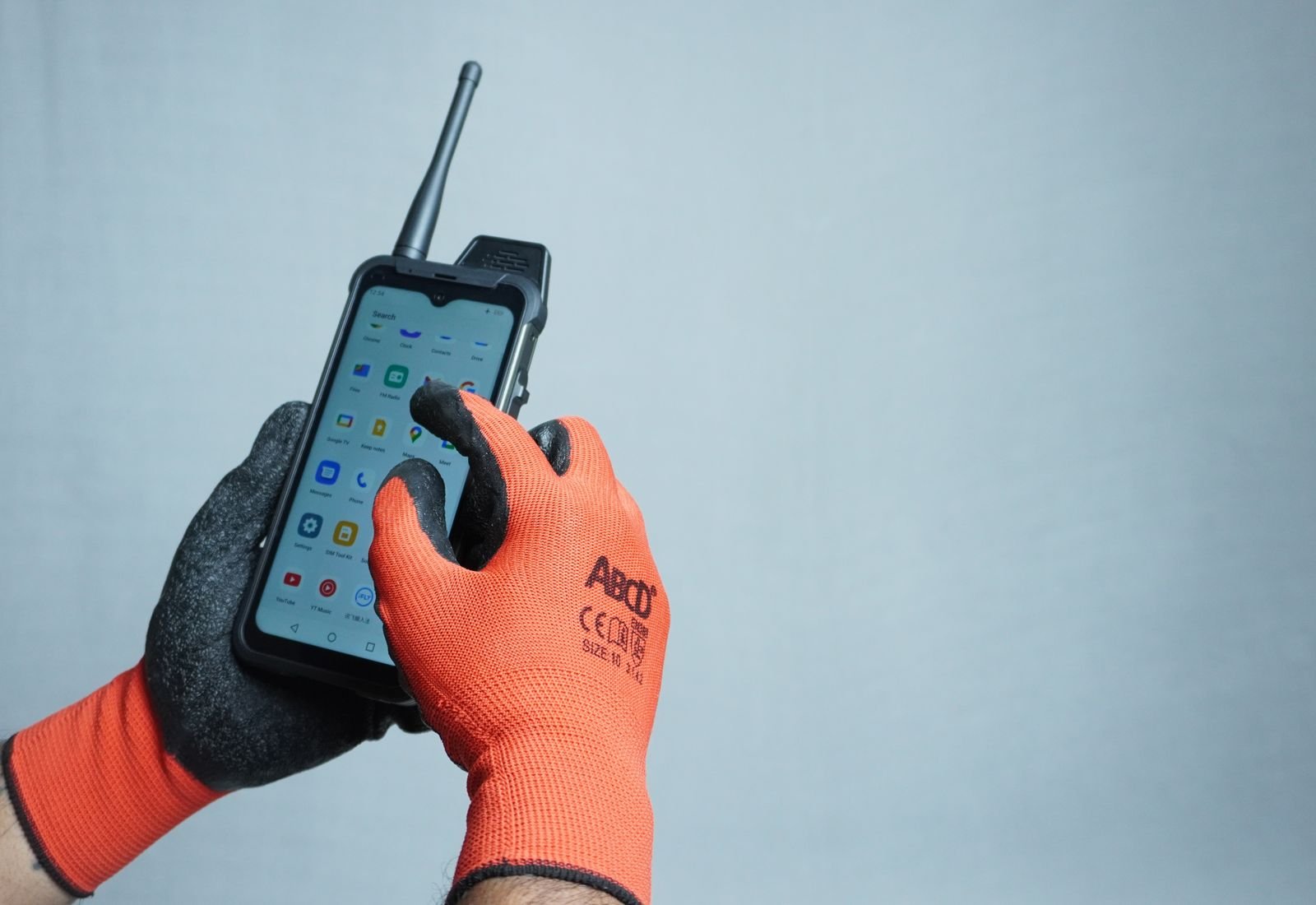
JAS 5G ATEX Phone (+ DMR)
Rugged 5G phone with push-to-talk; DMR radio model.
View product →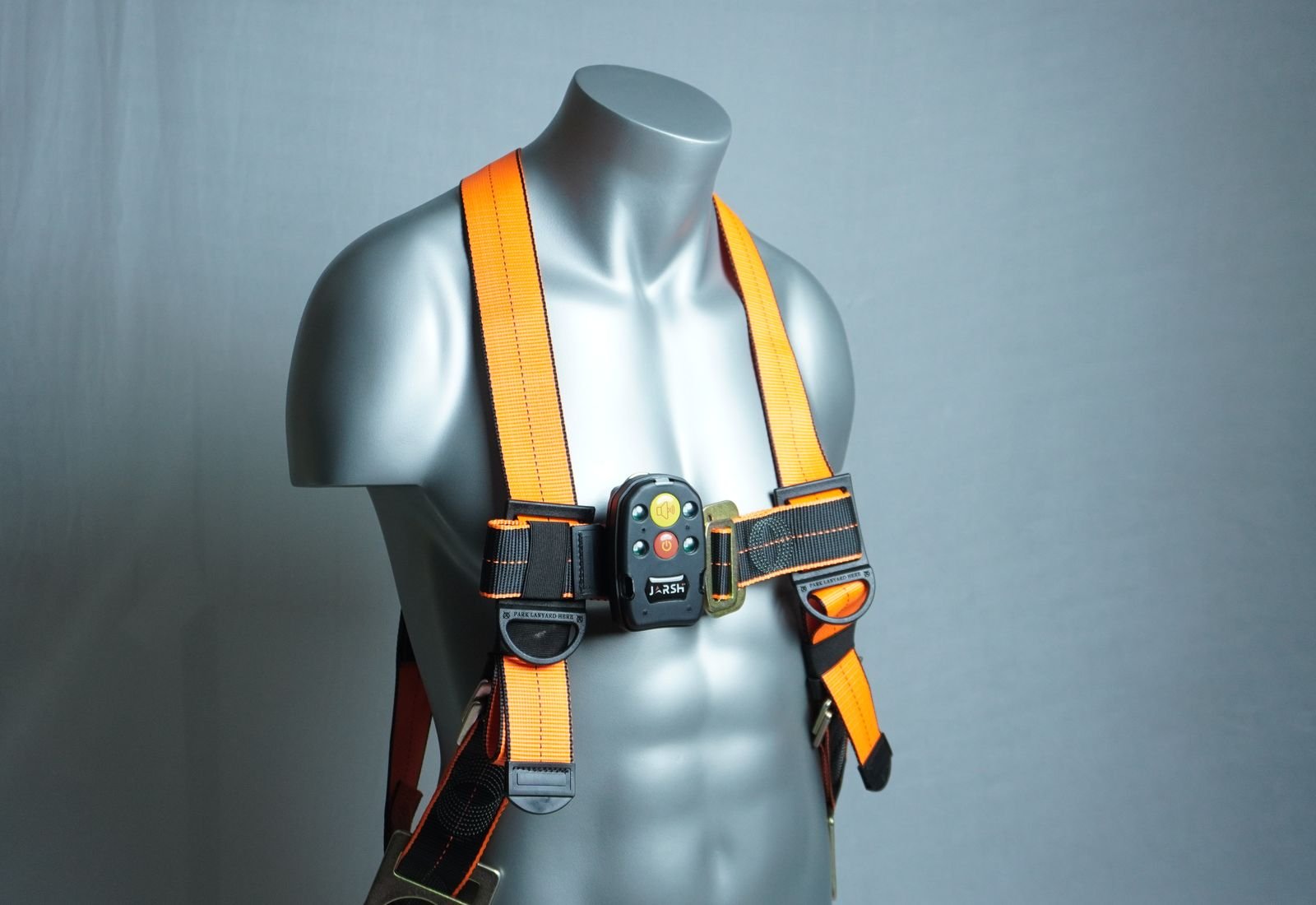
DownAlert™ man-down alarm
Sounds a 101 dB alarm when a worker stops moving.
View product →Lighting
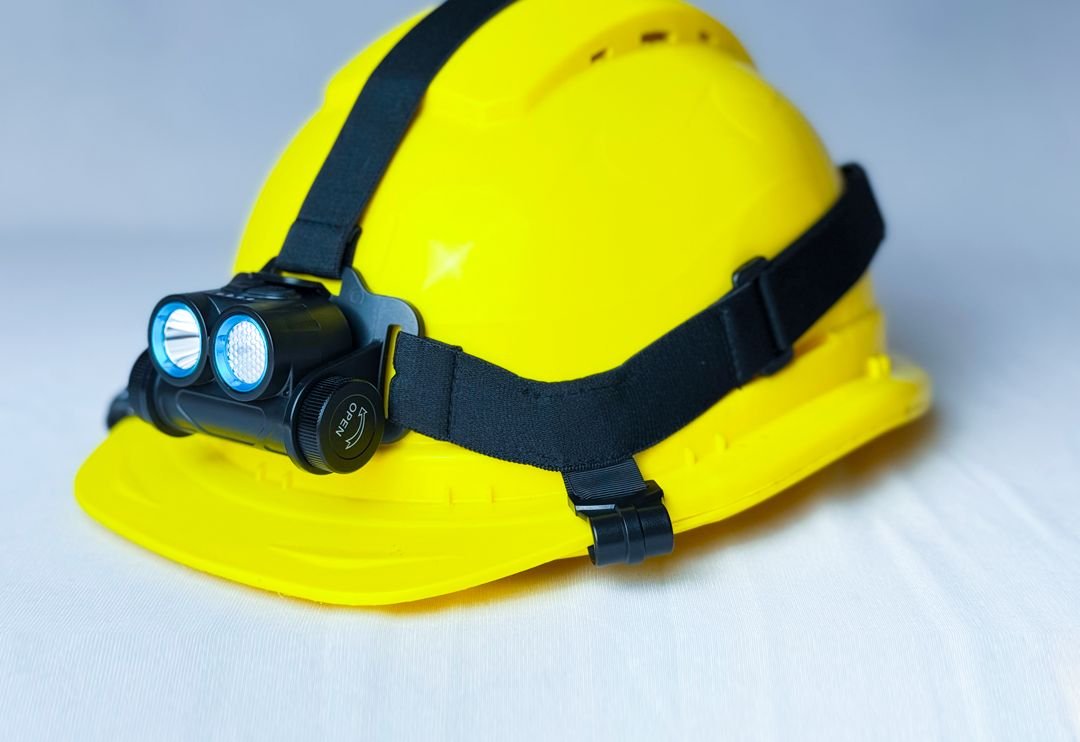
ATEX Headlamp
Spot + flood headlamp for hazardous areas.
View product →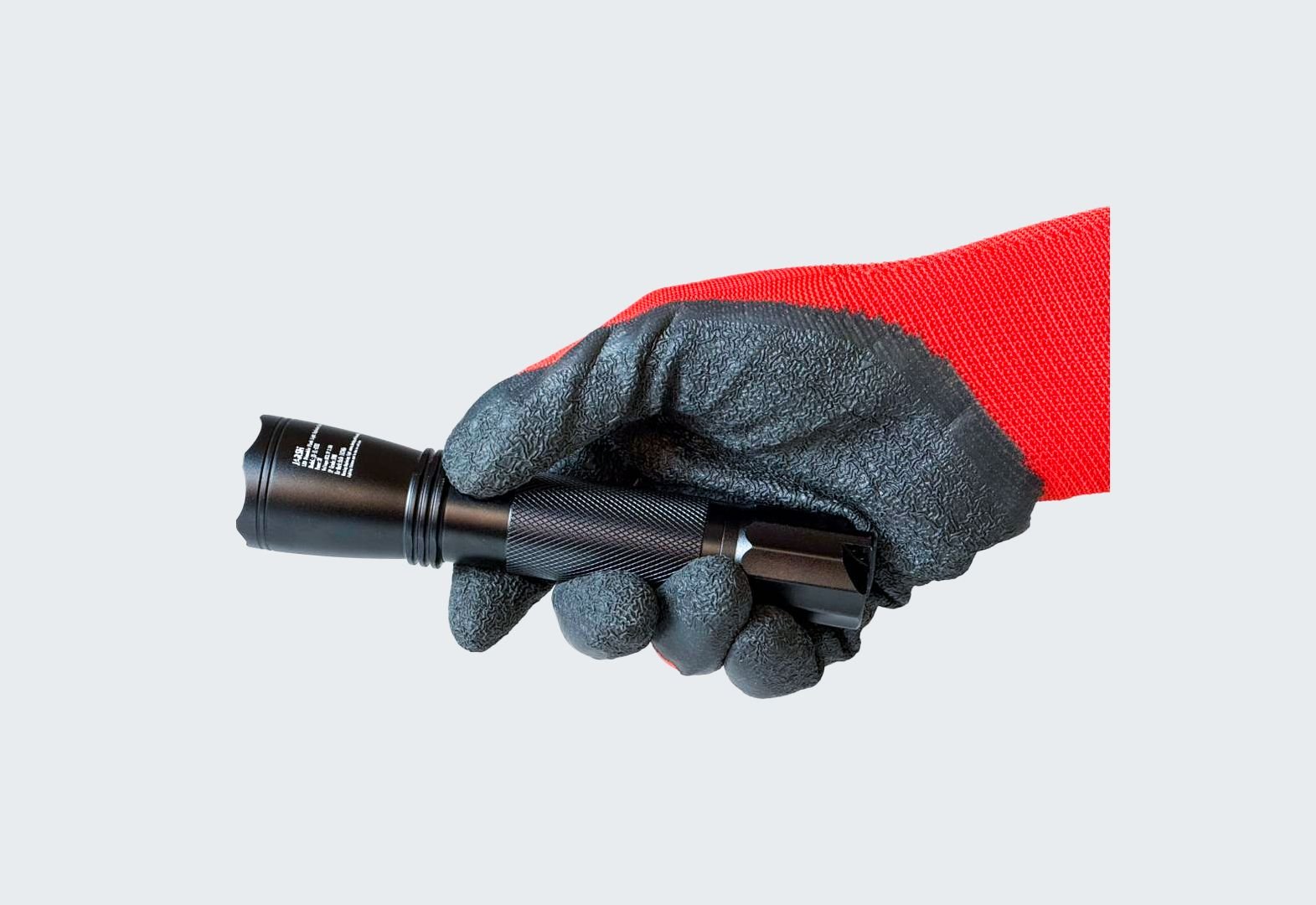
ATEX Flash Light
Inspection torch for hazardous areas.
View product →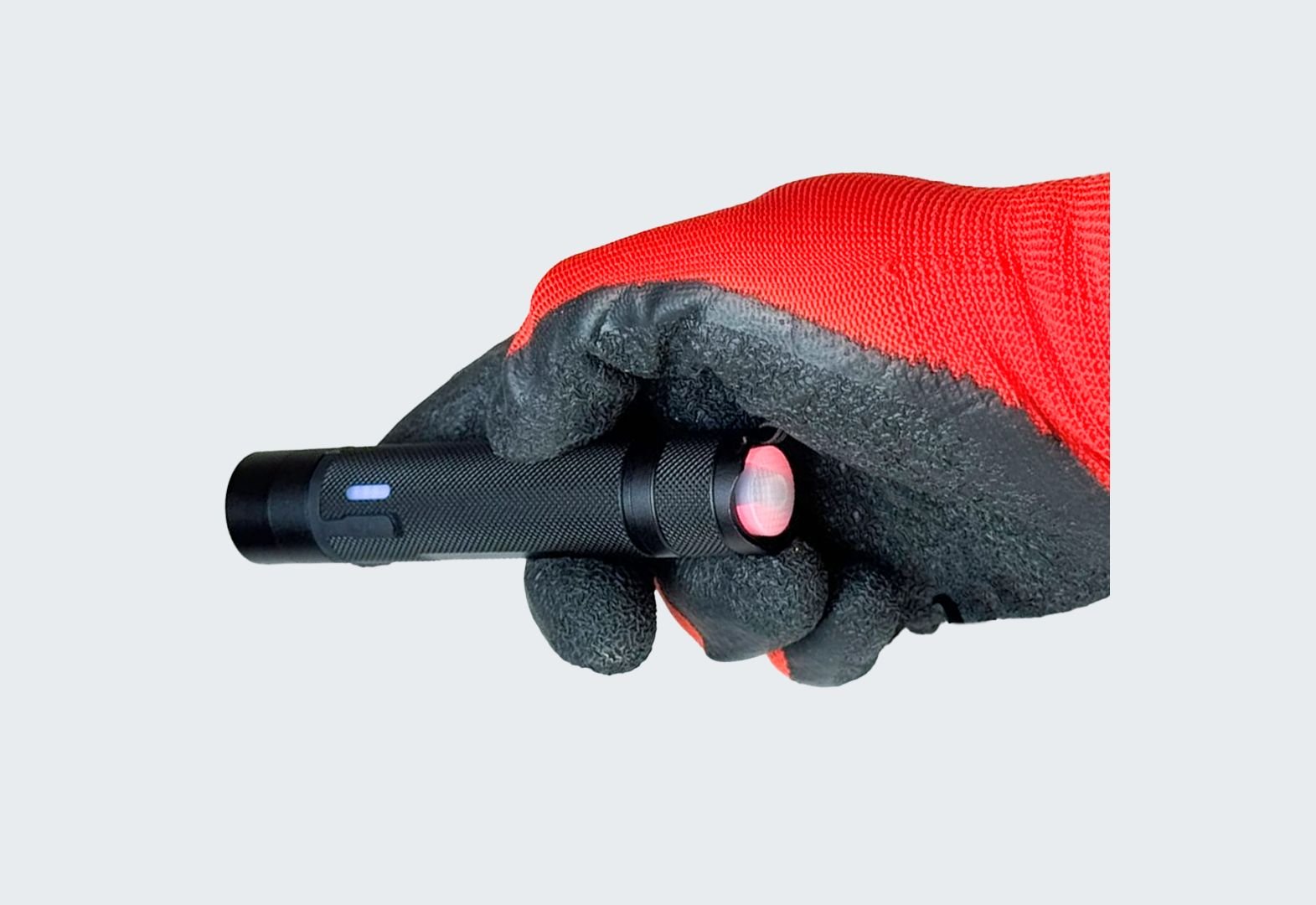
ATEX Micro Flash Light
Pocket torch for hazardous areas, 89 g.
View product →Ventilation & work at height
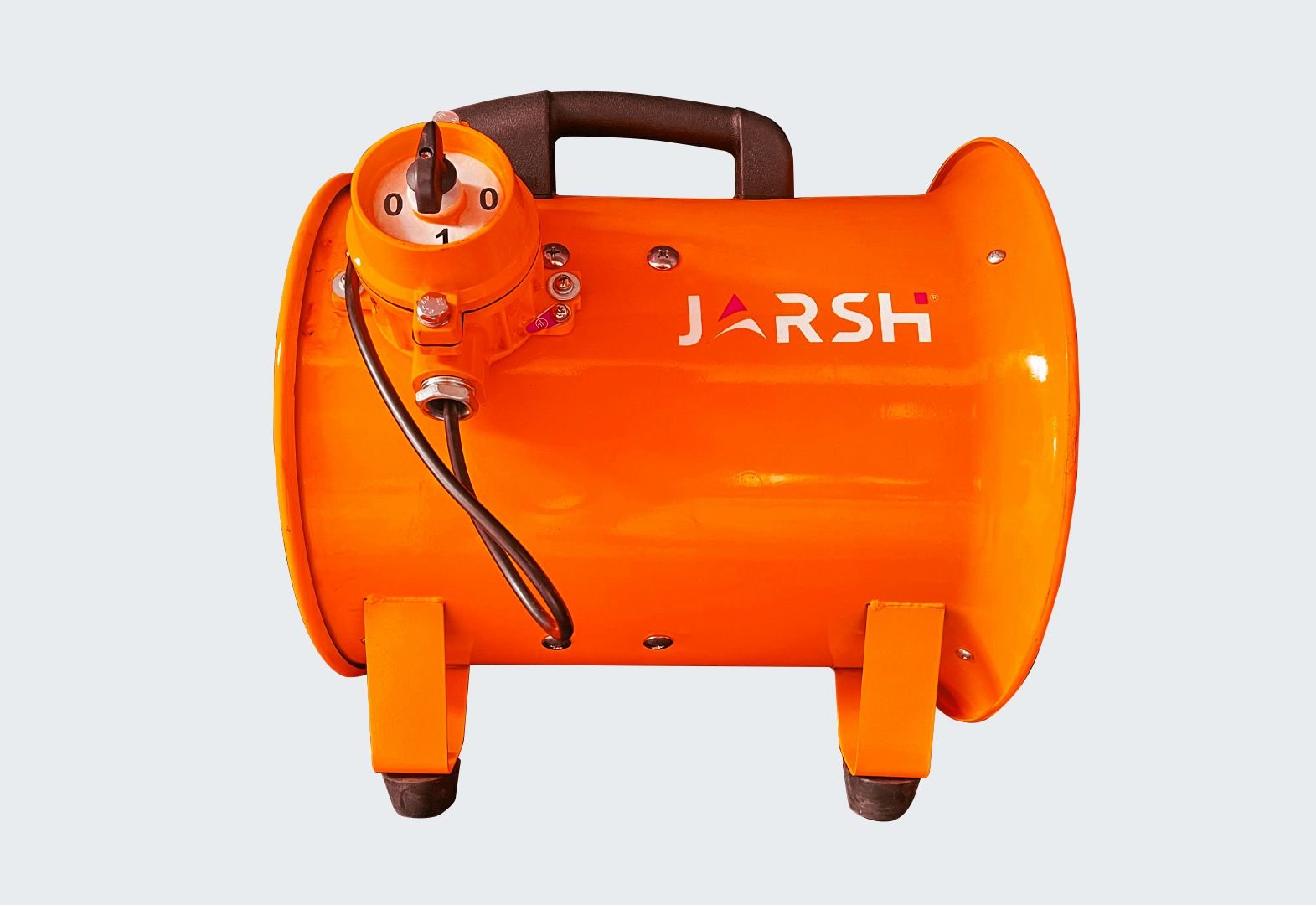
ATEX Industrial Blower
Explosion-protected blower for Zone 1 and 2.
View product →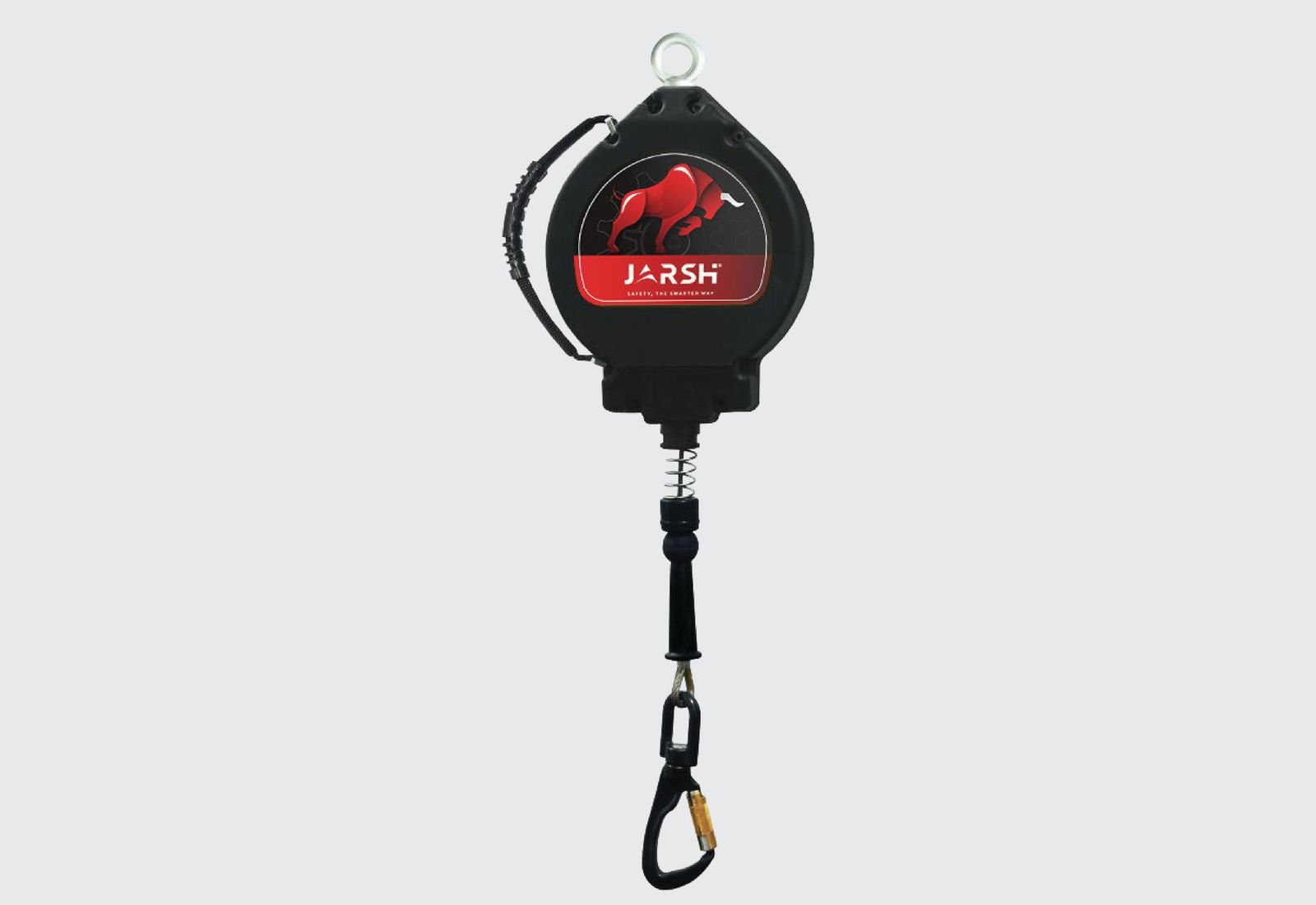
IronCladeX ATEX EX-FASS
Retractable block for hazardous areas, 6 to 20 m.
View product →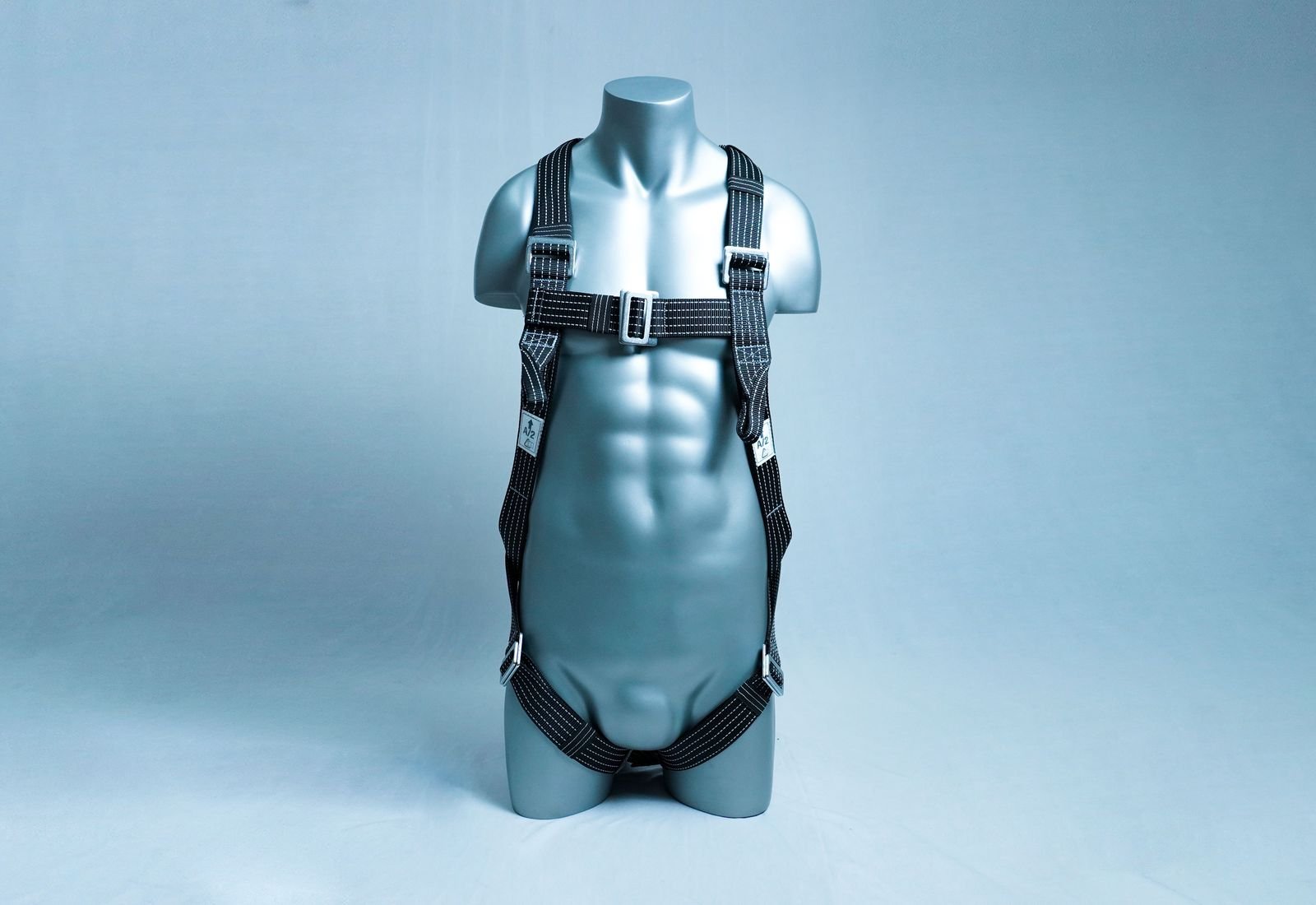
Antistatic PGH-07(AS)
Antistatic webbing for work at height on hazardous sites. It is antistatic, not Ex-certified equipment: check it against your site rules.
View product →Three questions before you buy ATEX equipment
An Ex marking only helps if it matches where the equipment will be used.
1 · Which zone?
| Gas zone | Dust zone | Explosive atmosphere is… | Equipment needed |
|---|---|---|---|
| Zone 0 | Zone 20 | Present continuously or for long periods | Category 1 · EPL Ga / Da |
| Zone 1 | Zone 21 | Likely to occur in normal operation, occasionally | Category 2 · EPL Gb / Db (or 1) |
| Zone 2 | Zone 22 | Not likely in normal operation; if it occurs, only briefly | Category 3 · EPL Gc / Dc (or 1, 2) |
2 · Which gas group?
| Group | Typical gases | Equipment marked for it suits |
|---|---|---|
| IIA | Propane, petrol, diesel vapour, many solvents | IIA only |
| IIB | Ethylene, town gas | IIA and IIB |
| IIC | Hydrogen, acetylene, carbon disulphide | IIA, IIB and IIC |
3 · Which temperature class?
| Class | Max. surface temperature |
|---|---|
| T1 | 450 °C |
| T2 | 300 °C |
| T3 | 200 °C |
| T4 | 135 °C |
| T5 | 100 °C |
| T6 | 85 °C |
The equipment's maximum surface temperature must stay below the ignition temperature of the gas or dust present.
Your site's hazardous-area classification decides what you may use. This guide follows IEC 60079 / ATEX conventions to help you ask the right questions. It does not replace your area classification drawing or your safety officer's approval.
What comes with every ATEX quotation
Ex marking
The exact marking on the product, so you can check zone, group and temperature class.
MarkingCertificate copy
The certificate the marking is based on, with its number and issuing body.
CertificateData sheet
The full technical data sheet for each product you shortlist.
TDSUser manual
Safe use, charging and maintenance in hazardous areas.
ManualWhere our ATEX range works
Oil, gas, chemicals & pharma
Refineries, terminals, API and solvent plants: the hazards and the kit.
See the industry →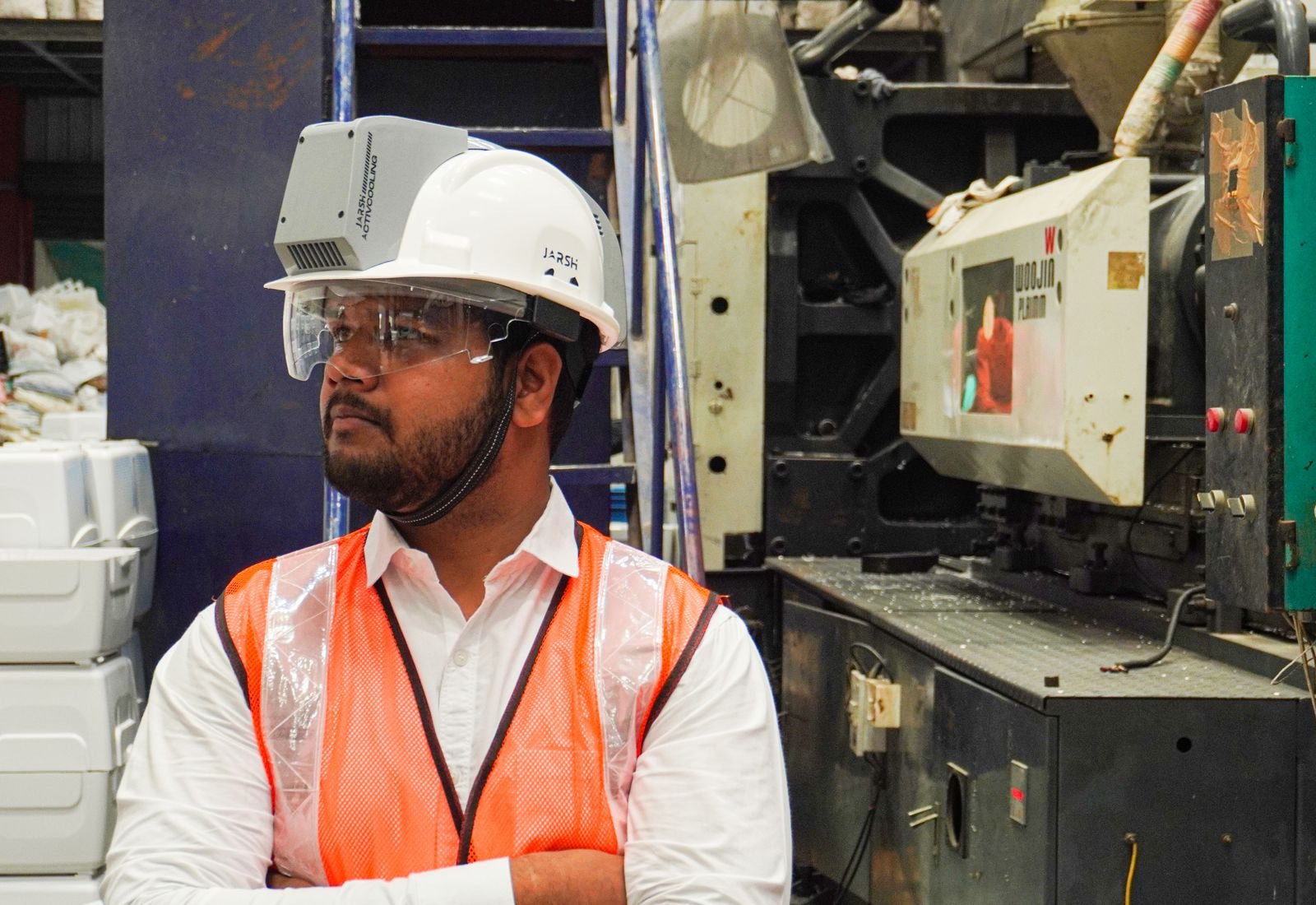
Steel, metals, mining & cement
Coal and gas hazards underground and in process plants.
See the industry →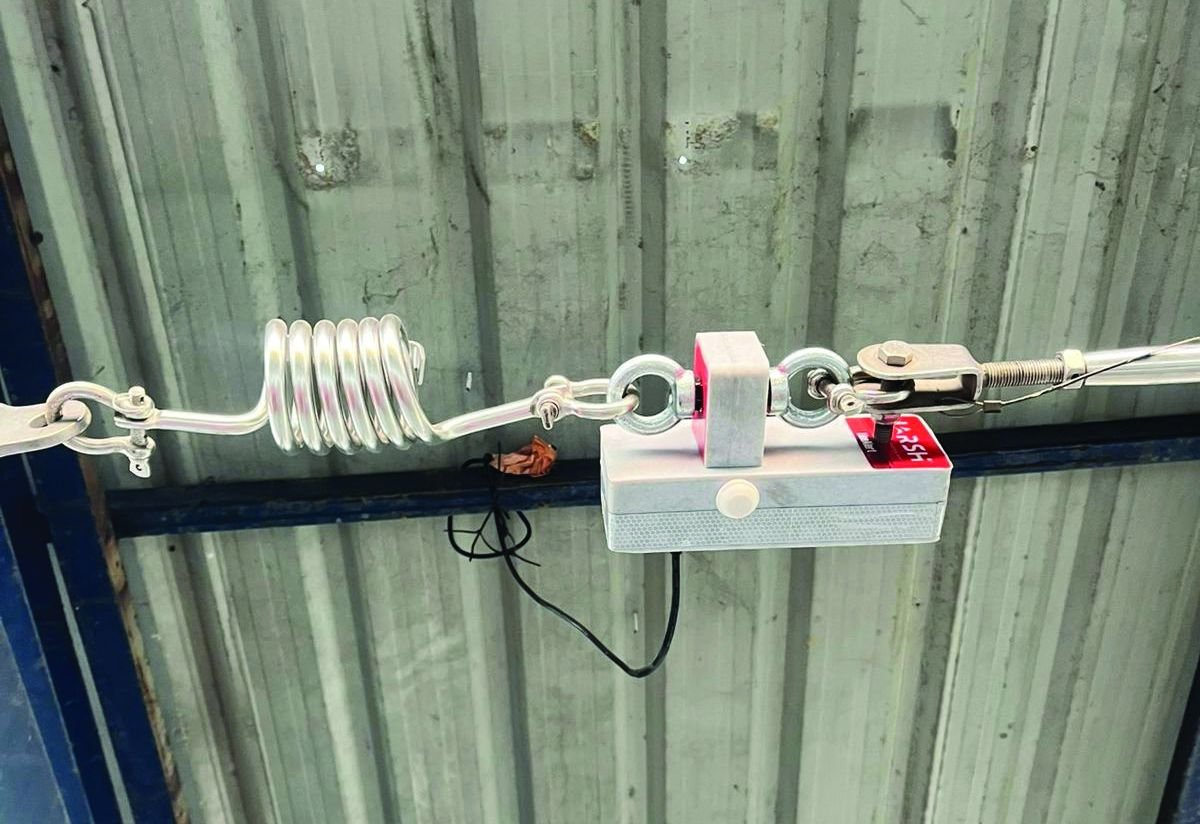
Power generation & renewables
Gas turbines, battery rooms and fuel handling.
See the industry →Common questions
Still unsure? Ask us: we reply within 24 hours.
Are your products ATEX certified?
Which ATEX products do you make?
Can I use an ordinary light or blower in Zone 2?
What information do you need for a quote?
Do you supply for tenders and shutdowns?
Equip a hazardous-area crew.
Tell us your zones, gases and headcount. We reply within 24 hours with a recommendation, pricing and the Ex documents for every product.
Our team replies within 24 hours.