
Fixed Line Systems · Permanent lifelinesLifelines built into your site. Monitored when it matters.
Permanent horizontal and vertical lifelines in stainless steel: over the roof, up the ladder and overhead. Specified to EN 795, CEN/TS 16415 and EN 353-1, and ready for LineAlert™, the monitor that tells you the moment a line arrests a fall.
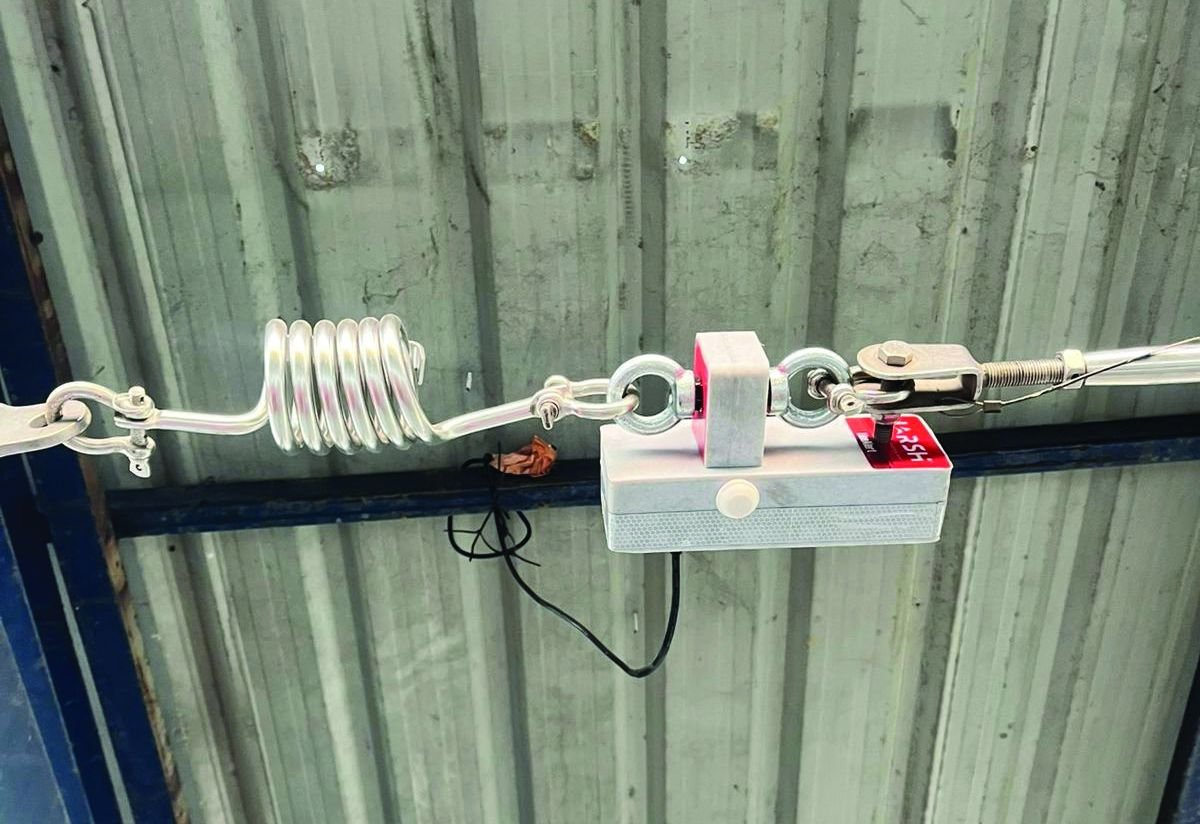
Start with where your people work
A fixed line is engineered for one place. Tell us the roof, ladder or structure, and we'll match the system.
Walking a metal roof
Riveted posts on trapezoidal sheets, with corners and multi-span travel. MaxSpan™ 300 →
Over-roofClimbing a fixed ladder
Guided rope grab, intermediate guides and a step-off extension arm. VertiGuard™ 400 →
VerticalWorking below a structure
End plates on steel or concrete, SRL from a trolley overhead. SafeXtra™ 500 →
OverheadKnowing the line was used
Tension monitoring, fall alerts and maintenance alerts on any system. LineAlert™ →
SmartUpgrading an existing line
LineAlert retrofits to installed horizontal and vertical lines. Retrofit →
RetrofitNot sure?
Send us drawings or photos, and we'll recommend the layout and components. Ask our team →
SurveyThree lifelines. One smart monitor.
Every system is stainless steel, uses swageless terminations where it can, and can carry LineAlert.
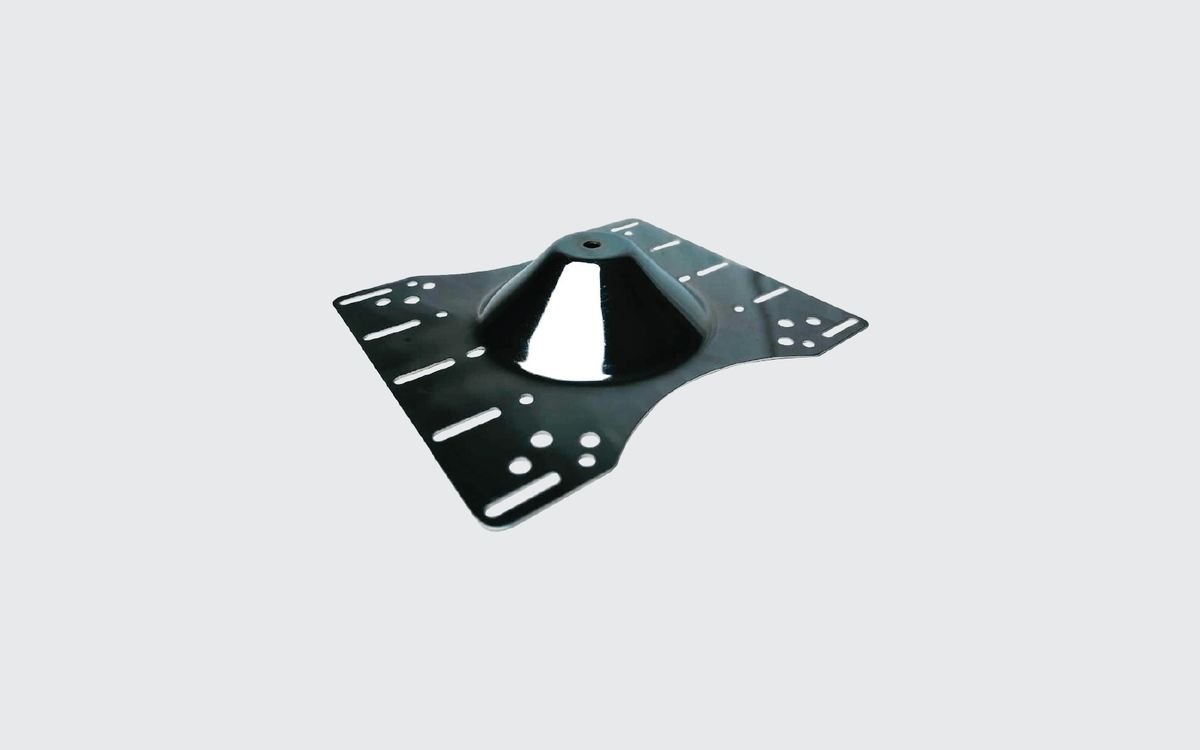
MaxSpan™ 300
Horizontal lifeline riveted to trapezoidal metal roofs, with corner and multi-span travel.
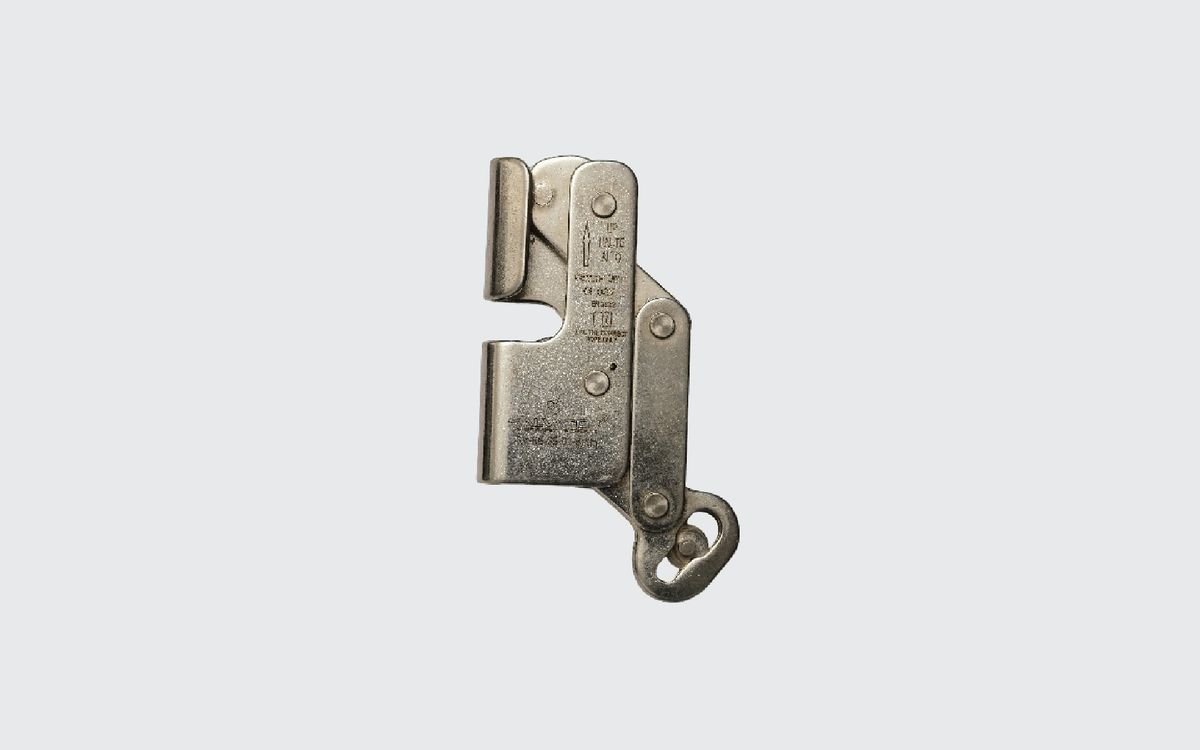
VertiGuard™ 400
Vertical lifeline for fixed ladders with a self-locking rope grab and step-off extension.
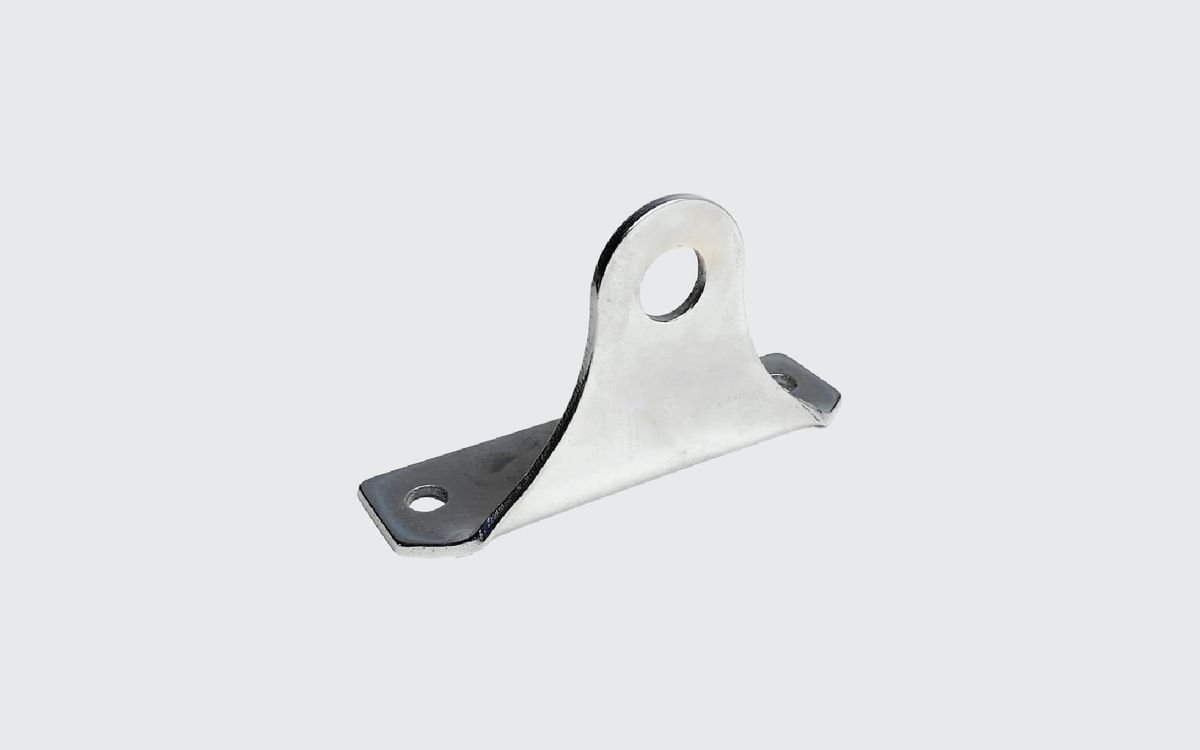
SafeXtra™ 500
Overhead lifeline on steel or concrete structures, for work below the line.
LineAlert™
Fits inline on new or existing lines. Alerts your team the moment the line arrests a fall, and flags slack or wear before it fails.
The three systems side by side
All values from the current Jarsh FLS technical data sheets.
| Over-roofMaxSpan™ 300 | VerticalVertiGuard™ 400 | OverheadSafeXtra™ 500 | |
|---|---|---|---|
| Where it goes | |||
| Orientation | Horizontal | Vertical | Horizontal |
| Installed on | Trapezoidal metal roof sheets (230–290 mm pitch) | Fixed ladders (rungs Ø18–70 mm) | Steel, concrete or engineered anchor points above |
| Fixing | Rivets, at the sheet peak | Studs and U-bolts on rungs or rails | M14 fasteners |
| How it works | |||
| User connects with | Trolley MS300-6 + lanyard or SRL | Rope grab VG400-09 | Trolley MS300-6 + SRL |
| Line | 8 mm SS316 7×19 rope | Ø8 mm 7×19 rope | 8 mm SS316 7×19 rope |
| Energy absorber | MS300-03 spring type | VG400-01 | MS300-03 spring type |
| Intermediate support | ≤ 12 m (MS300F-05) | Every 10 m (VG400-04) | ≤ 12 m (MS300F-05) |
| Corners | |||
| Strength and standards | |||
| End anchorage | 15 kN roof post | 23 kN brackets | 45 kN plate (X/Y/Z) |
| Standards (per TDS) | EN 795 A/C · CEN/TS 16415 | EN 353-1 | EN 795 A/C · CEN/TS 16415 |
| LineAlert compatible | |||
| MaxSpan 300 → | VertiGuard 400 → | SafeXtra 500 → | |
Anchor, absorb, tension, travel
Every Jarsh system follows the same four principles. What changes is how it is fixed and how the worker connects.
Anchor
Engineered end anchors (roof posts, ladder brackets or structural plates) take the load into the building.
Absorb
A shock absorber at the end of the line limits the force that reaches the anchors and structure in a fall.
Tension
A tensioner sets the rope tight enough to keep deflection low and travel smooth.
Travel
The worker's trolley or rope grab moves with them along the whole line, so they never unclip.
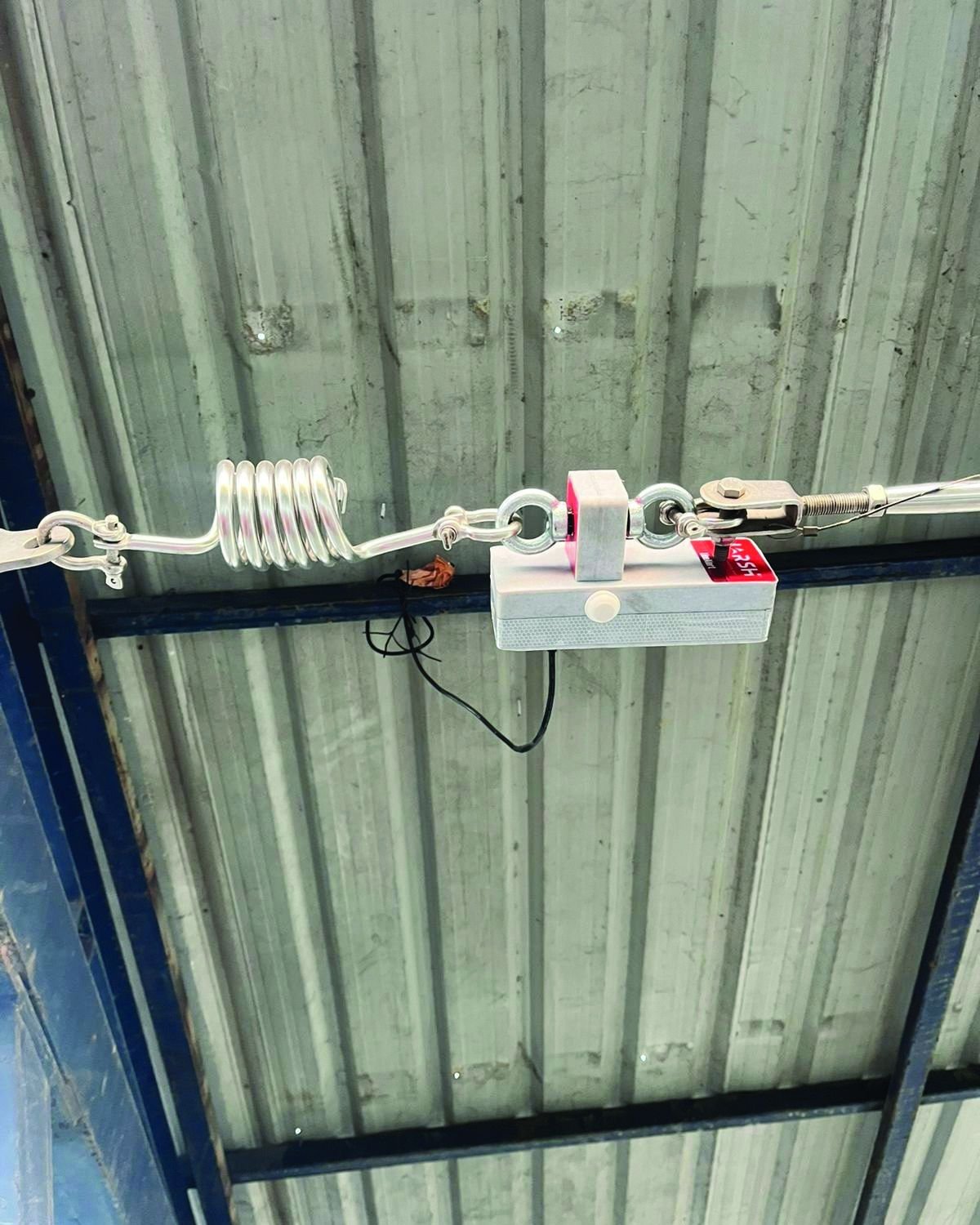
Make your fixed line tell you when it is used.
A fixed line is passive: nobody knows it arrested a fall until someone looks. LineAlert fits inline beside the shock absorber, measures line tension around the clock, and sends a fall alert to your team's phones within a minute, over LTE, powered by its own solar panel.
- Fall alert in ≤ 1 minute, via the LineAlert app
- Slack or wear alerts before the line goes out of tune
- Retrofits to existing lines: no new posts, no cutting, no shutdown
- Every site on the JarshConnect dashboard and the Jarsh LineAlert app
Specified to recognised standards
As listed in each component's technical data sheet. Ask us for the documentation for your project.
EN 795:2012
Anchor devices. Type A for structural anchors such as the roof posts and OH end plate; Type C for horizontal flexible anchor lines.
CEN/TS 16415:2013
Anchor devices for use by more than one person at a time. Listed for the shock absorber, tensioner, cable extremity and OH end plate.
EN 353-1:2014+A1:2017
Guided-type fall arresters on a rigid anchor line, the standard for vertical ladder lifelines.
IS 2266:2002
Steel wire ropes for general engineering purposes, listed for the 8 mm SS316 lifeline rope.
From site survey to a monitored line
Share your site
Roof type and pitch, ladder heights and rung sizes, or the structure an overhead line will hang from. Drawings and photos help.
Layout and bill of materials
We recommend the system, anchor positions, spans and every component, so you know exactly what is going in.
Supply and installation support
Components ship with their instructions. Talk to us about installation for your site.
Inspect and monitor
Inspect to each component's instructions, and add LineAlert so the line reports falls and slack on its own.
Common questions
Can't find what you need? Call +91 8340 84 84 84 or write to info@jarshsafety.com.
Which fixed line system do I need?
Are the components stainless steel?
What standards do the systems meet?
Can more than one person use a line?
Can you upgrade a line that is already installed?
Do you work with contractors and dealers?
Let's design the right lifeline for your site.
Send us roof, ladder or structure details, photos or drawings. We'll recommend the system and components, and quote.