
VertiGuard™ 400 · Vertical lifeline for fixed laddersClimb connected, top to bottom.
VertiGuard 400 is a permanent vertical lifeline for fixed ladders. A stainless rope grab rides an 8 mm wire rope with the climber and locks instantly in a fall. An extension arm keeps them connected as they step off at the top.
For ladders people climb every day
Fixed ladders on towers, tanks, silos, stacks and building façades.
Telecom and transmission towers
Long ladder climbs where a rest-and-reclip system slows crews down.
Tanks, silos and stacks
Process-plant ladders exposed to weather and corrosive air.
Building access
Roof-access ladders and cat ladders on façades and plant rooms.
Wind and energy
Repetitive climbs where a guided arrester is safer and faster.
Rope, guides and a rope grab that follows you
The line is anchored at the top and bottom of the ladder, held in line by intermediate guides every 10 m, and tensioned so the rope grab runs smoothly and locks reliably.
- 01Extension armVG400-07, 1510 mm above the top
- 02Top mounting bracketVG400-03
- 03Shock absorberVG400-01, U-bolts VG400-06
- 04TensionerVG400-02
- 05Ø8 mm 7×19 wire ropeEyes formed with VG400-08
- 06Intermediate bracketVG400-04, every 10 m
- 07Bottom mounting bracketVG400-05, across two rungs
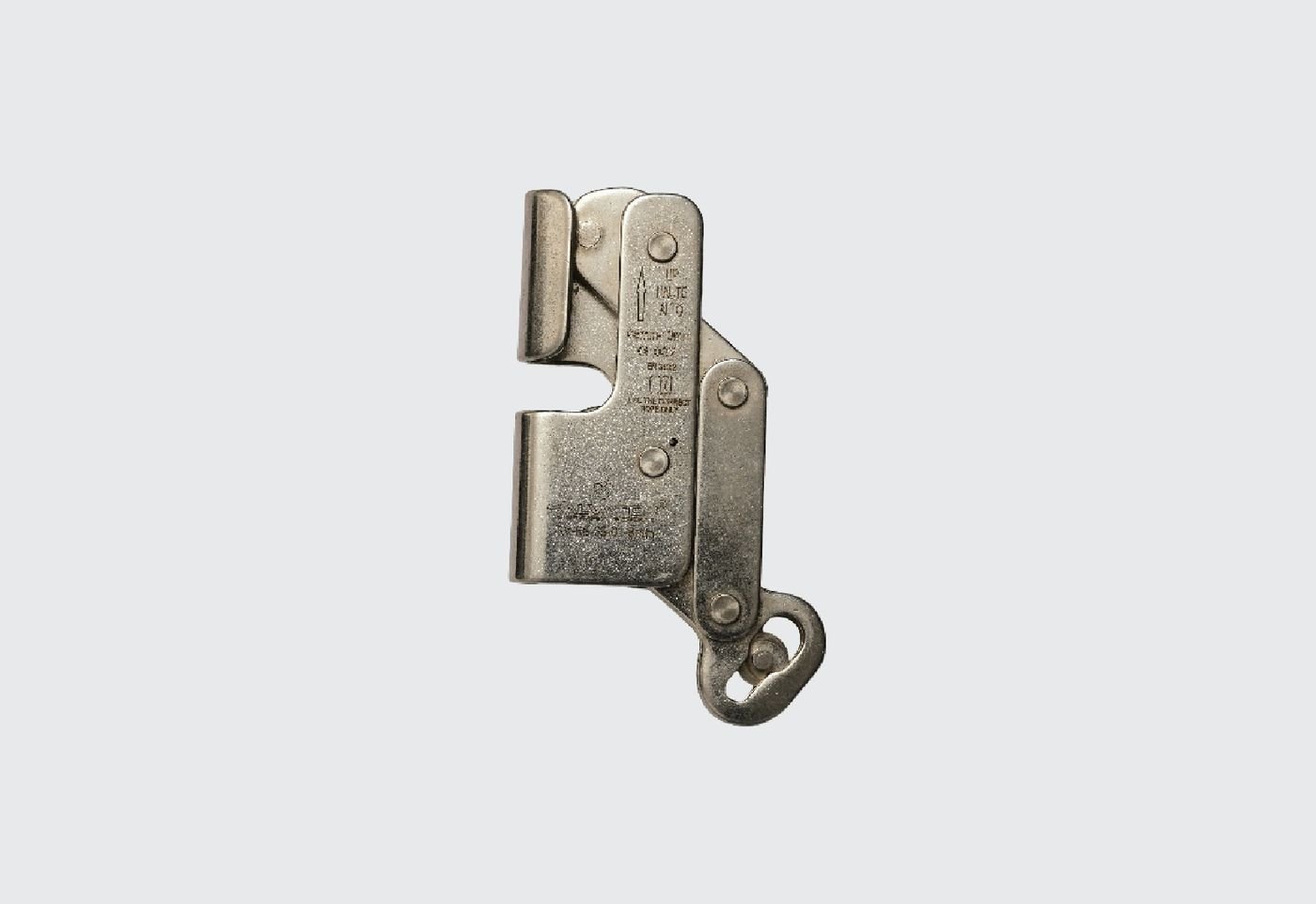
- 08Rope grabVG400-09, to the harness chest point
Why a guided vertical line
- Both hands on the ladder. The rope grab travels with the climber; nothing to move or re-clip.
- Locks instantly in a fall, on the rope, close to the climber.
- Stays connected at the top. The extension arm carries the line 1.5 m above the platform for a safe step-off.
- Fits most ladders. Brackets cover rungs from Ø18 mm to Ø70 mm, and the top bracket fits side rails too.
- Built for weather. Stainless steel with electropolished or CED finishes.
Rope grab compatibility. VG400-09 is for Ø8 mm 7×19 steel wire rope only. Do not use it on other ropes.
Every part, and what it does
Nine components cover the anchorage, energy absorption, tensioning, guidance and the climber's connection.
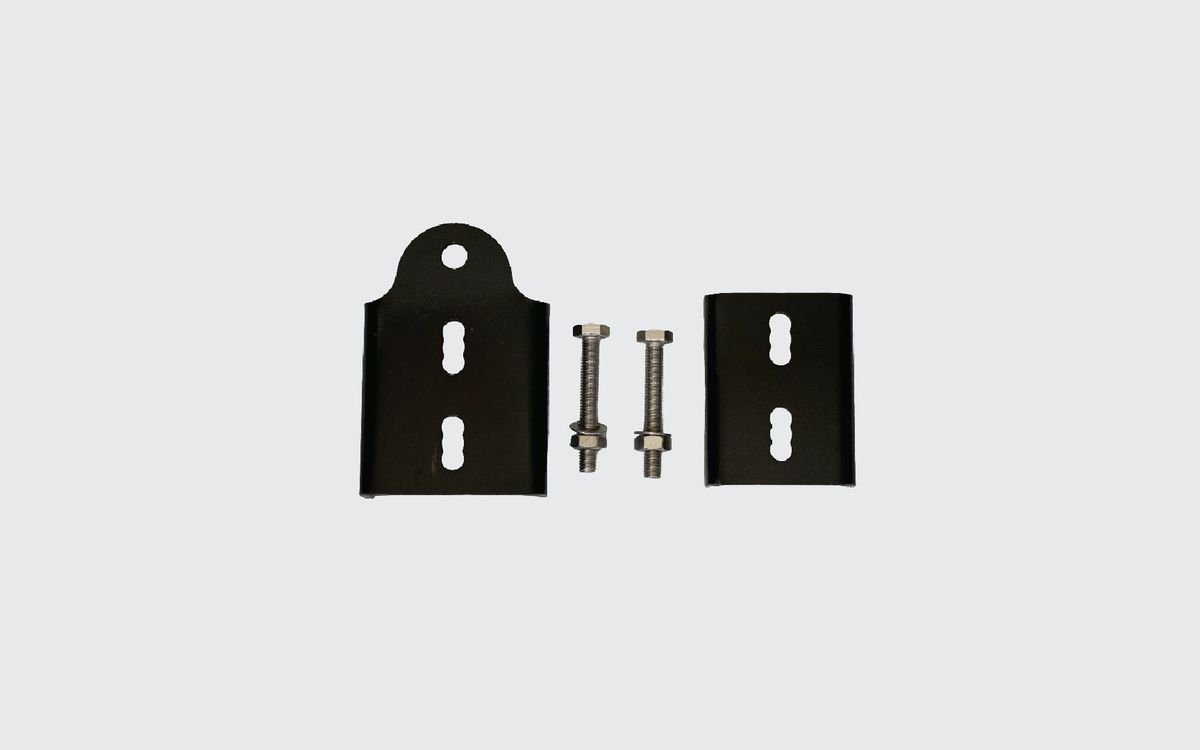
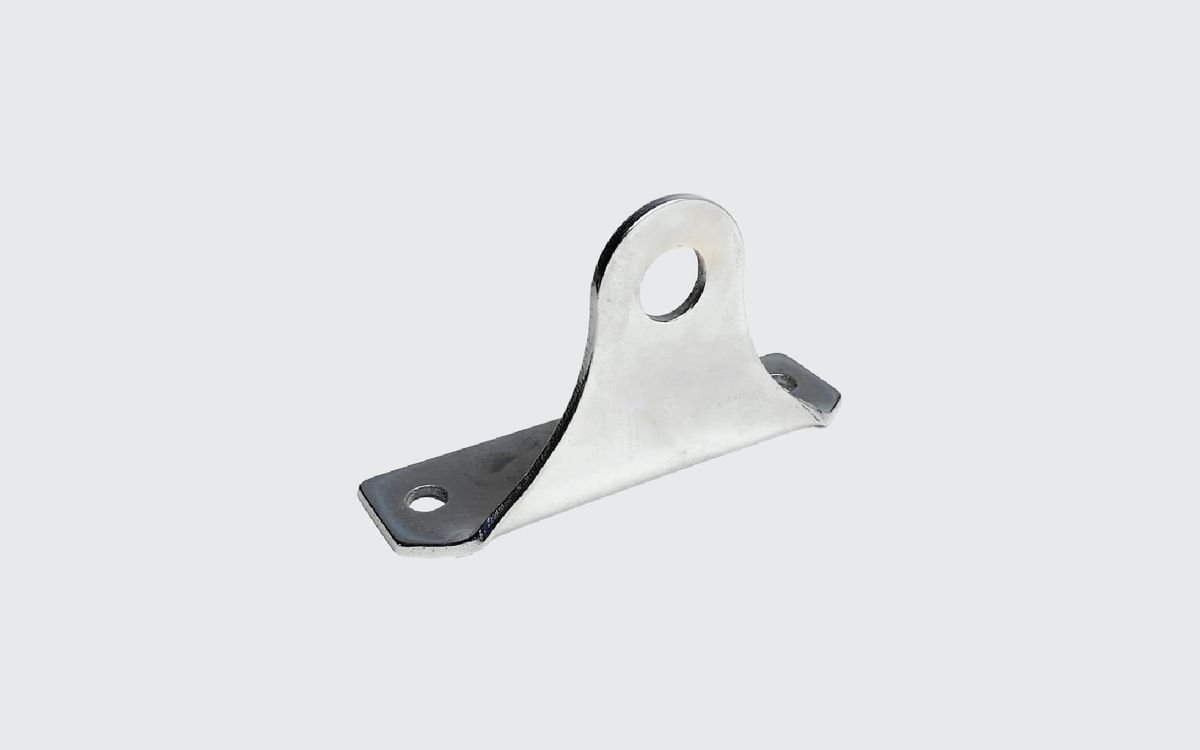
Top mounting bracket
Universal top (or bottom) anchorage that fits rungs or side rails with two studs.
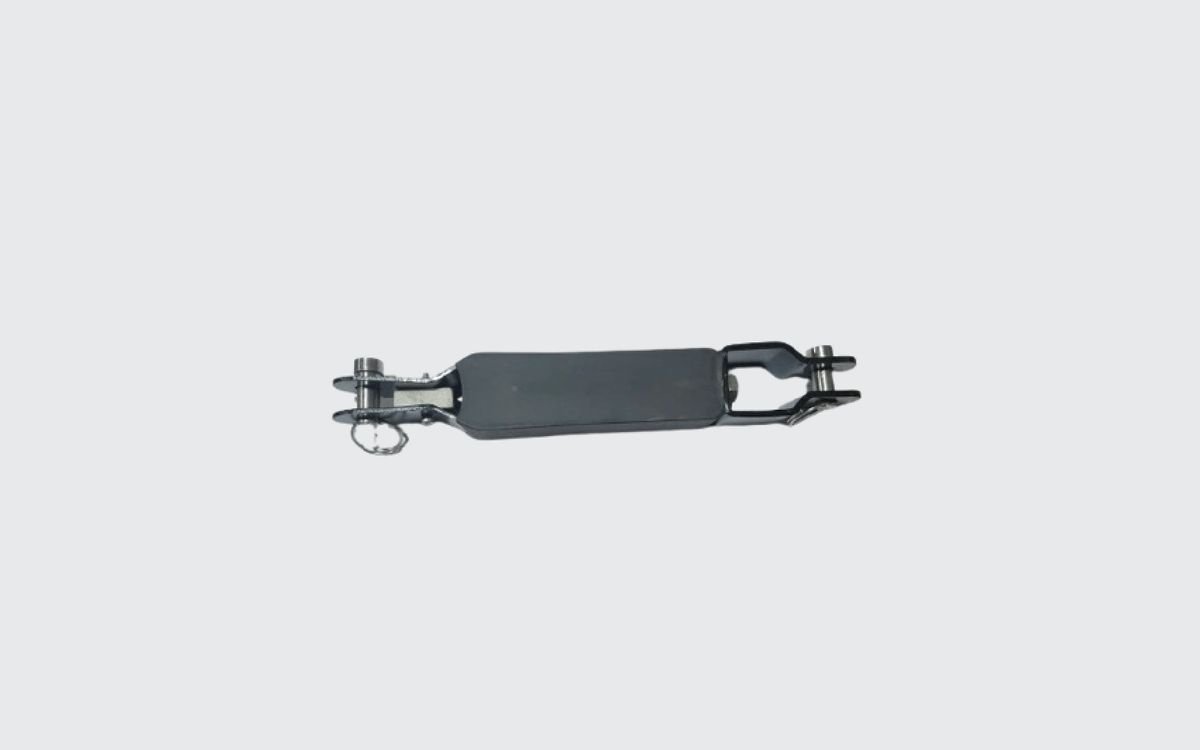
Shock absorber
Attenuates the arrest load so less of it reaches the ladder. U-bolt connection to the rope.
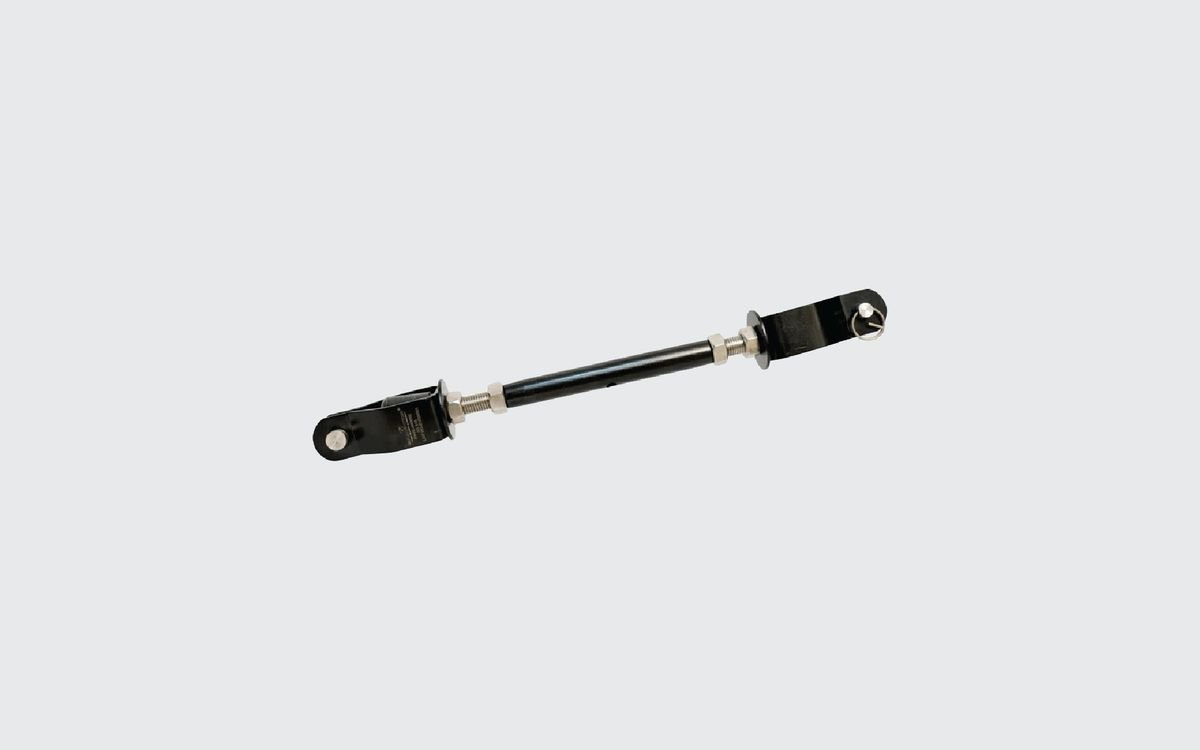
Tensioner
Joins the rope to the shock absorber and pre-loads the line so the rope grab runs true.
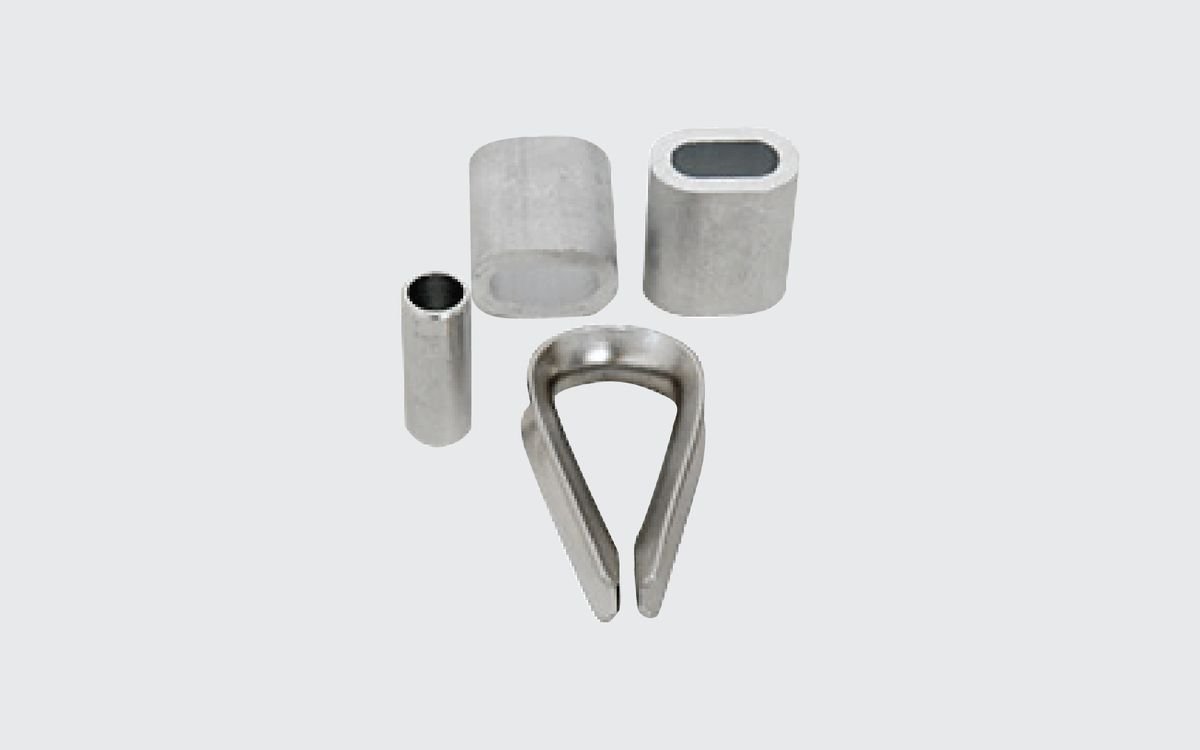
Crimping assembly
Forms and protects the rope eye: thimble, aluminium ferrules and rope cap.
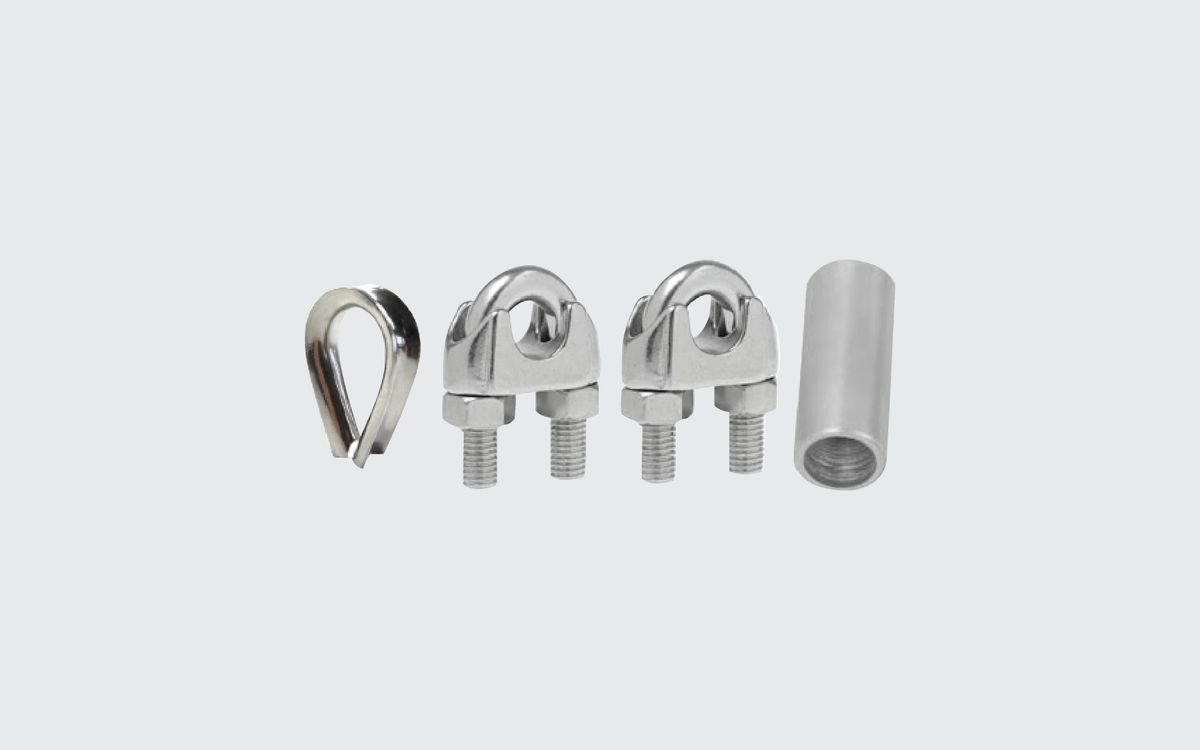
U-bolts and thimble
Mechanical loop formation and eye protection at rope terminations.
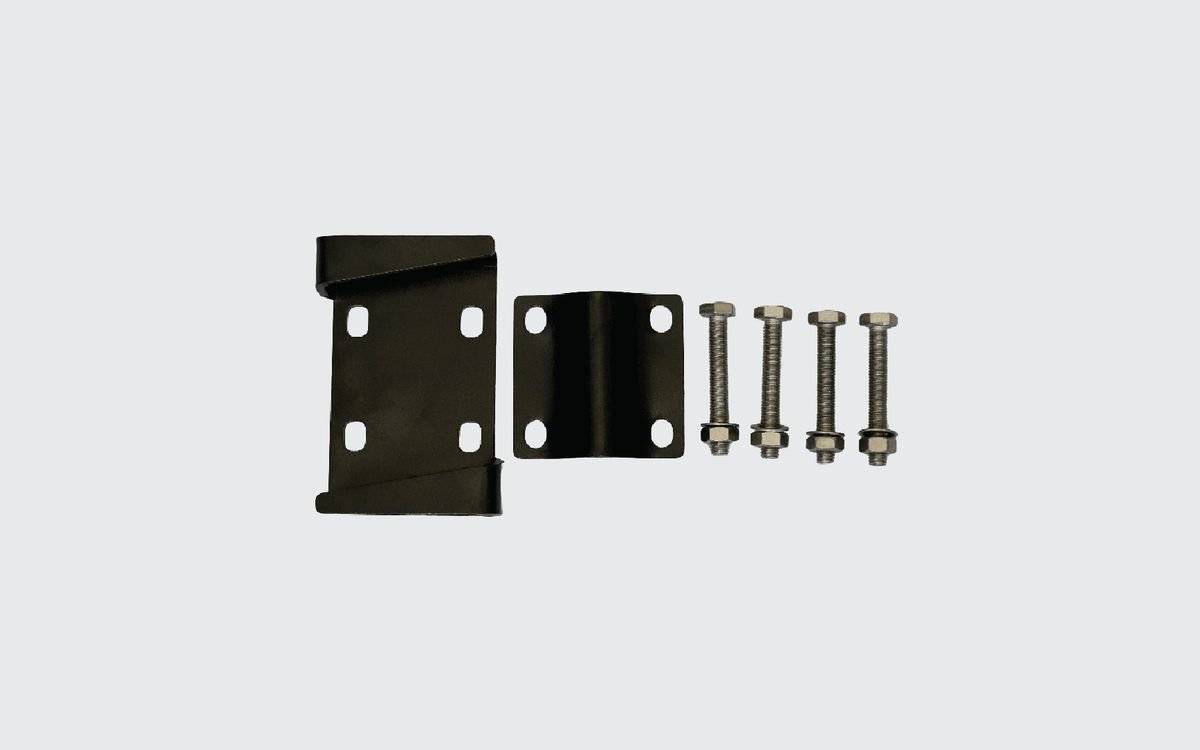
Intermediate bracket
Cable guide that stops sway and keeps the rope on the right path for the rope grab.
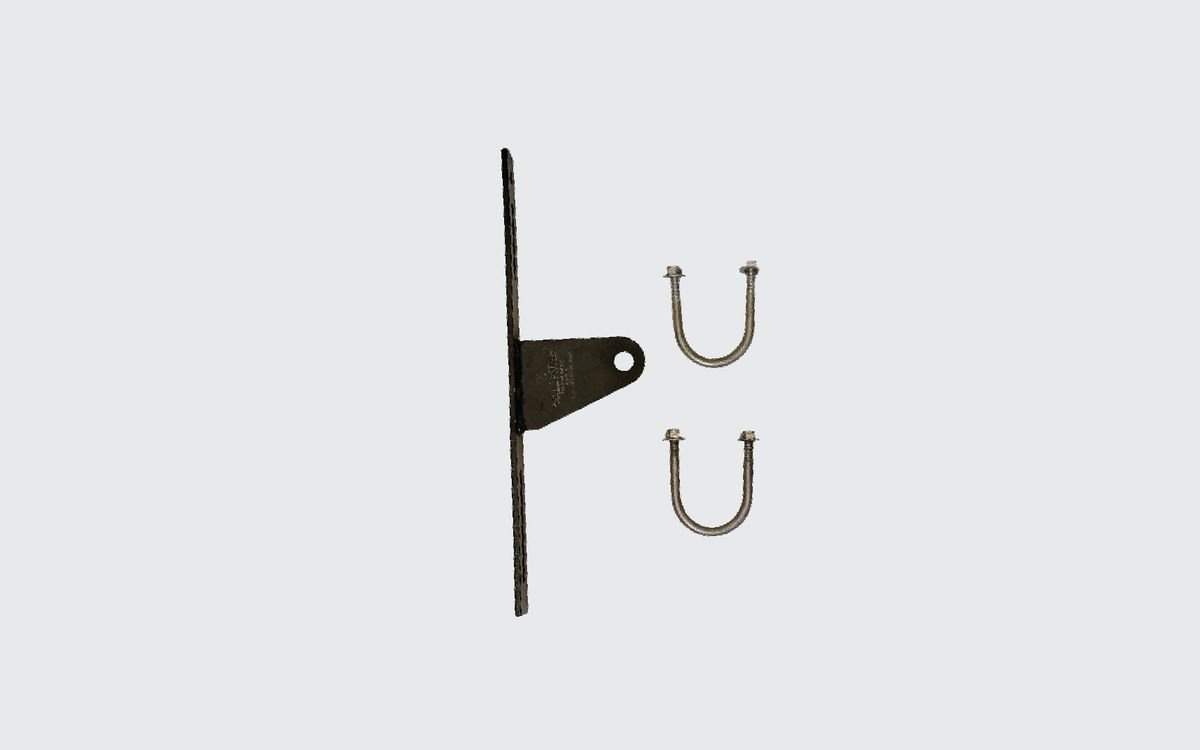
Bottom mounting bracket
Double-rung extremity plate for the bottom of the line, spreading load across two rungs.
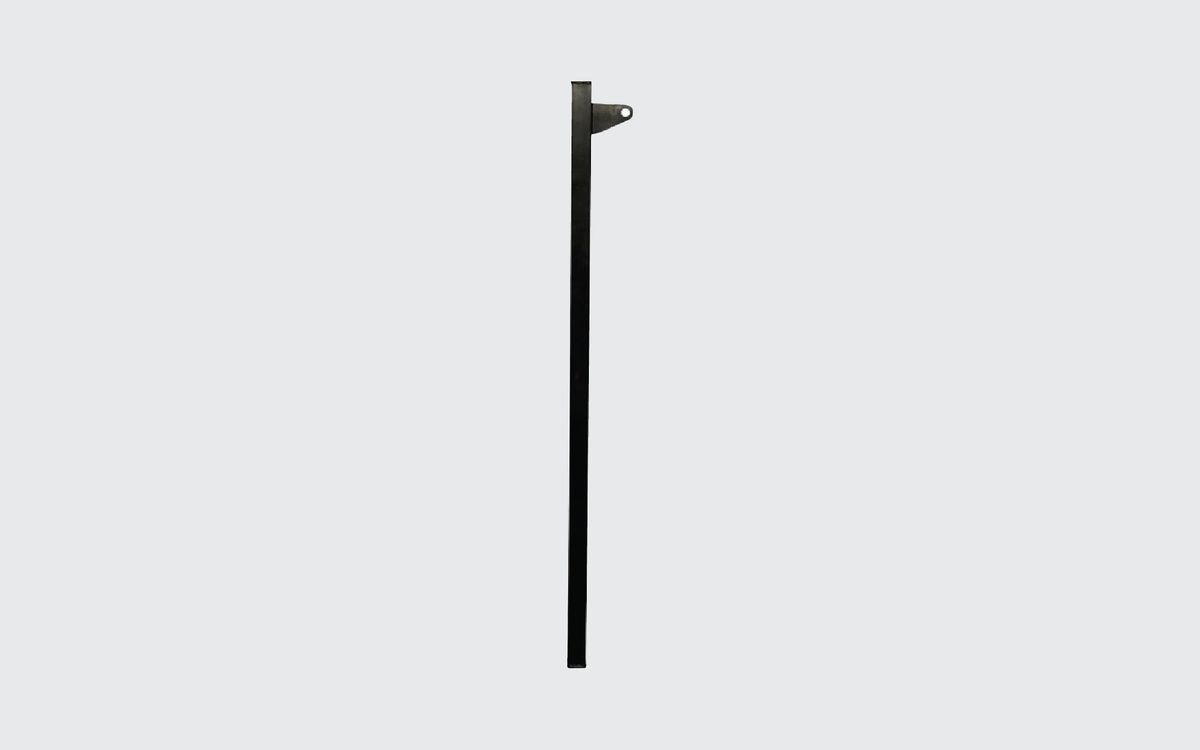
Extension arm
Carries the line 1.5 m above the top of the ladder so the climber stays connected while stepping off.
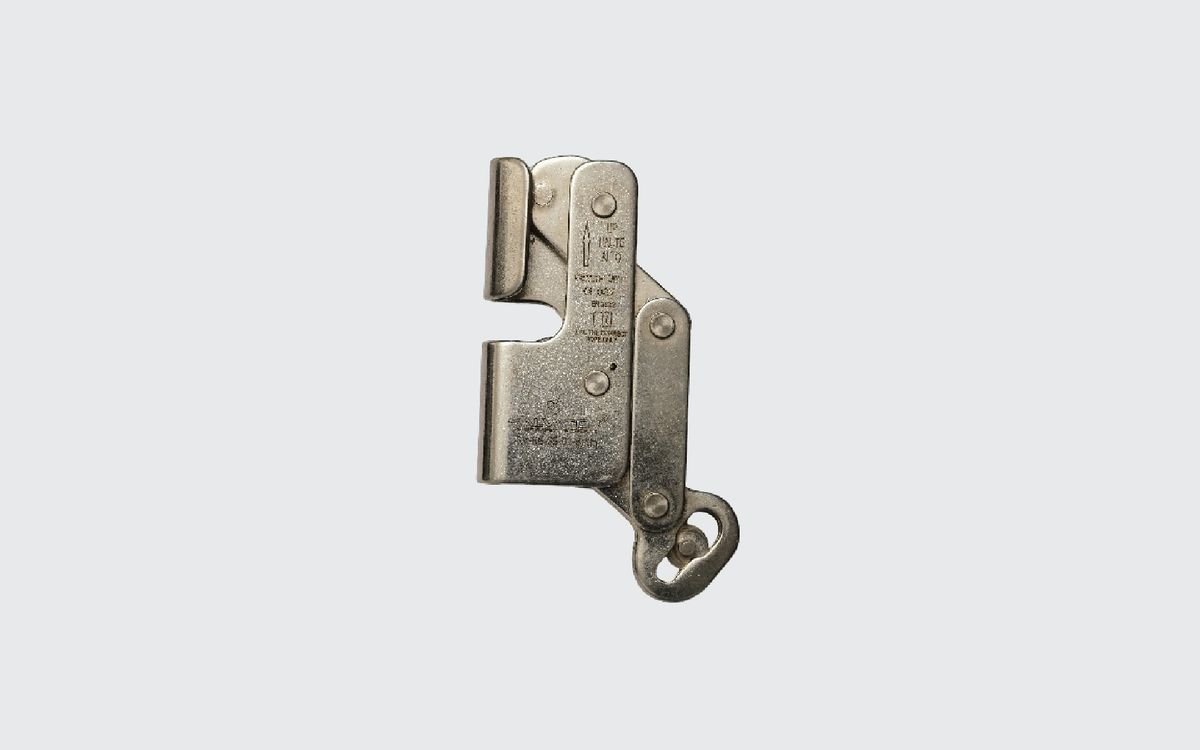
Rope grab
Guided-type fall arrester that follows the climber and locks instantly in a fall.
Components at a glance
| Component | What it does | Strength | Weight | |
|---|---|---|---|---|
| Top mounting bracket VG400-03 | Universal top (or bottom) anchorage that fits rungs or side rails with two studs. | 23 kN | 865 g | Specs |
| Shock absorber VG400-01 | Attenuates the arrest load so less of it reaches the ladder. U-bolt connection to the rope. | 15 kN (3 min) | 890 g | Specs |
| Tensioner VG400-02 | Joins the rope to the shock absorber and pre-loads the line so the rope grab runs true. | 25 kN | 720 g | Specs |
| Crimping assembly VG400-08 | Forms and protects the rope eye: thimble, aluminium ferrules and rope cap. | 15 kN (3 min) | 65 g | Specs |
| U-bolts and thimble VG400-06 | Mechanical loop formation and eye protection at rope terminations. | — | — | Specs |
| Intermediate bracket VG400-04 | Cable guide that stops sway and keeps the rope on the right path for the rope grab. | — | 868 g | Specs |
| Bottom mounting bracket VG400-05 | Double-rung extremity plate for the bottom of the line, spreading load across two rungs. | 23 kN | — | Specs |
| Extension arm VG400-07 | Carries the line 1.5 m above the top of the ladder so the climber stays connected while stepping off. | 12 kN (3 min) | 7.3 kg | Specs |
| Rope grab VG400-09 | Guided-type fall arrester that follows the climber and locks instantly in a fall. | > 15 kN | — | Specs |
All values from the Jarsh VertiGuard 400 Vertical Life Line technical data sheet, V0.2 · 11.2025.
Component specifications
Top Mounting Bracket, VLLVG400-03
Specification
- Rung diameter
- Ø35 mm to Ø70 mm
- Fits
- Ladder rungs and side rails
- Installation
- Two mounting studs
- Material
- Stainless steel
- Finish
- Electropolished / CED
- Weight
- 865 g
- Minimum breaking strength
- 23 kN
Installation and inspection
- Mount with the two studs on rungs or side rails
- Tighten before loading the system
- Inspect periodically for corrosion
Standard (per TDS)
EN 353-1:2014+A1:2017
Shock Absorber, VLLVG400-01
Specification
- Connection
- U-bolts and nuts to the vertical rope
- Material
- Stainless steel
- Finish
- Electropolished / CED
- Weight
- 890 g
- Static strength
- 15 kN sustained for 3 minutes
Installation and inspection
- Fasten with U-bolts per the layout and torque correctly
- Confirm cable seating before climbing
- Inspect after any fall arrest; replace if deformed
Standard (per TDS)
EN 353-1:2014+A1:2017
Tensioner, VLLVG400-02
Specification
- Length
- 320 mm contracted to 445 mm extended
- Material
- Stainless steel
- Finish
- Electropolished / CED
- Weight
- 720 g
- Minimum breaking strength
- 25 kN
Installation and inspection
- Install between the shock absorber and the rope
- Tighten progressively to the recommended tension
- Check locks stay engaged; avoid over-tensioning
- Inspect before each use for corrosion or thread wear
Standard (per TDS)
Structural strength requirements for tensioning devices
Wire Crimping Assembly with Thimble & 3 FerrulesVG400-08
Specification
- Thimble
- Stainless steel, polished
- Ferrules and rope cap
- Aluminium, anodised
- Weight
- 65 g
- Static test
- 15 kN for 3 minutes
Installation and inspection
- Crimp for complete mechanical closure
- Seat the thimble in the loop
- Check for strand separation; replace if deformed
Standard (per TDS)
Static strength test requirements
Set of 2 U-Bolts & ThimbleVG400-06
Specification
- Contents
- 2 U-bolts and thimble
- Material
- Stainless steel and aluminium
- Finish
- Polished
Installation and inspection
- Fit the thimble before closing the U-bolts
- Size to the cable diameter
- Inspect after load events
Standard (per TDS)
Structural strength requirements for wire eye terminations
Intermediate Bracket, VLLVG400-04
Specification
- Spacing
- Every 10 m
- Rung diameter
- Ø18 mm to Ø35 mm
- Material
- Stainless steel (SS316)
- Finish
- Electropolished / CED
- Weight
- 868 g
Installation and inspection
- Install every 10 m up the ladder
- Check cable position after installation
- Replace after deformation or impact
Standard (per TDS)
EN 353-1:2014+A1:2017
Bottom Mounting Bracket, VLLVG400-05
Specification
- Rung diameter
- Ø18 mm to Ø36 mm
- Mounting
- Across two ladder rungs
- Material
- Stainless steel
- Finish
- Electropolished / CED
- Minimum breaking strength
- 23 kN
- Static test
- 12 kN for 3 minutes
Installation and inspection
- Mount on two horizontal structural rungs
- Tighten all mounting points before loading
- Check the ladder can carry the required load
- Inspect for corrosion or wear
Standard (per TDS)
EN 353-1:2014+A1:2017
Extension Arm, VLLVG400-07
Specification
- Height
- 1510 mm
- Rung diameter
- Ø20 mm to Ø45 mm
- Finish
- CED
- Weight
- 7.3 kg
- Static test
- 12 kN sustained for 3 minutes
Installation and inspection
- Install at the ladder-top termination
- Check vertical alignment after tightening
- Replace after any shock load
Standard (per TDS)
Static strength test requirements
Rope Grab, Stainless Steel, VLLVG400-09
Specification
- Rope
- Ø8 mm steel wire rope, 7×19 construction
- Body
- Stainless steel, electropolished
- Connector
- Screw-locking karabiner, high-strength alloy steel, galvanised; permanently attached
- Minimum static strength
- Greater than 15 kN
Installation and inspection
- Use only on approved Ø8 mm 7×19 rope
- Check the karabiner is closed and locked before climbing
- Test the locking function before each use
- Replace after any fall arrest
Standard (per TDS)
EN 353-1:2014+A1:2017
All values from the Jarsh VertiGuard 400 Vertical Life Line technical data sheet, V0.2 · 11.2025.
Specified to recognised standards
EN 353-1:2014+A1:2017
Guided-type fall arresters on a rigid anchor line, the standard for vertical ladder lifelines.
The anchorage brackets, shock absorber, intermediate bracket and rope grab are listed to EN 353-1:2014+A1:2017. The tensioner, crimping assembly, U-bolts and extension arm are listed against their static-strength test requirements.
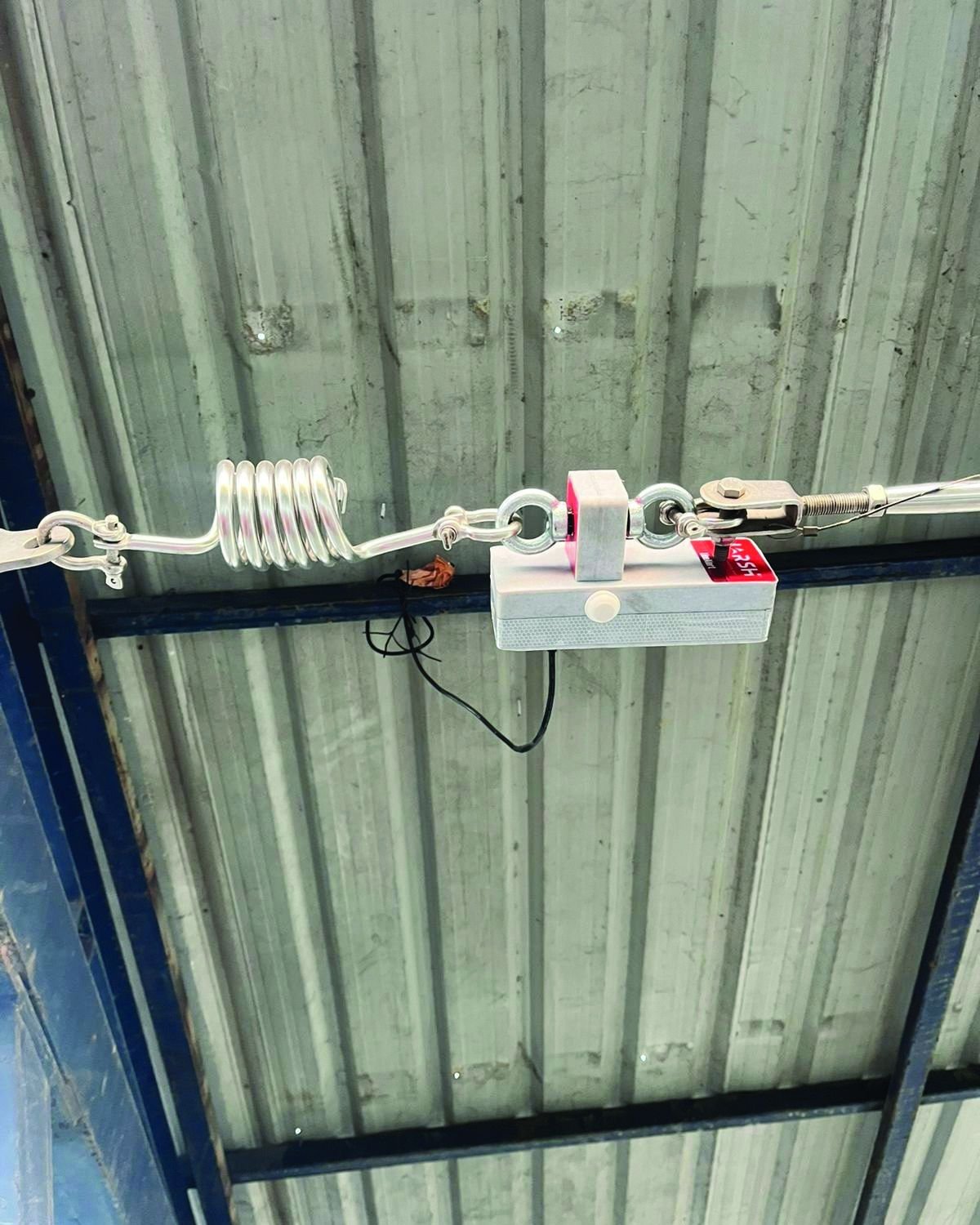
Make your VertiGuard™ 400 tell you when it is used.
A fixed line is passive: nobody knows it arrested a fall until someone looks. LineAlert fits inline beside the shock absorber, measures line tension around the clock, and sends a fall alert to your team's phones within a minute, over LTE, powered by its own solar panel.
- Fall alert in ≤ 1 minute, via the LineAlert app
- Slack or wear alerts before the line goes out of tune
- Retrofits to existing lines: no new posts, no cutting, no shutdown
- Every site on the JarshConnect dashboard and the Jarsh LineAlert app
From site survey to a monitored line
Share your site
Roof type and pitch, ladder heights and rung sizes, or the structure an overhead line will hang from. Drawings and photos help.
Layout and bill of materials
We recommend the system, anchor positions, spans and every component, so you know exactly what is going in.
Supply and installation support
Components ship with their instructions. Talk to us about installation for your site.
Inspect and monitor
Inspect to each component's instructions, and add LineAlert so the line reports falls and slack on its own.
Other Fixed Line Systems
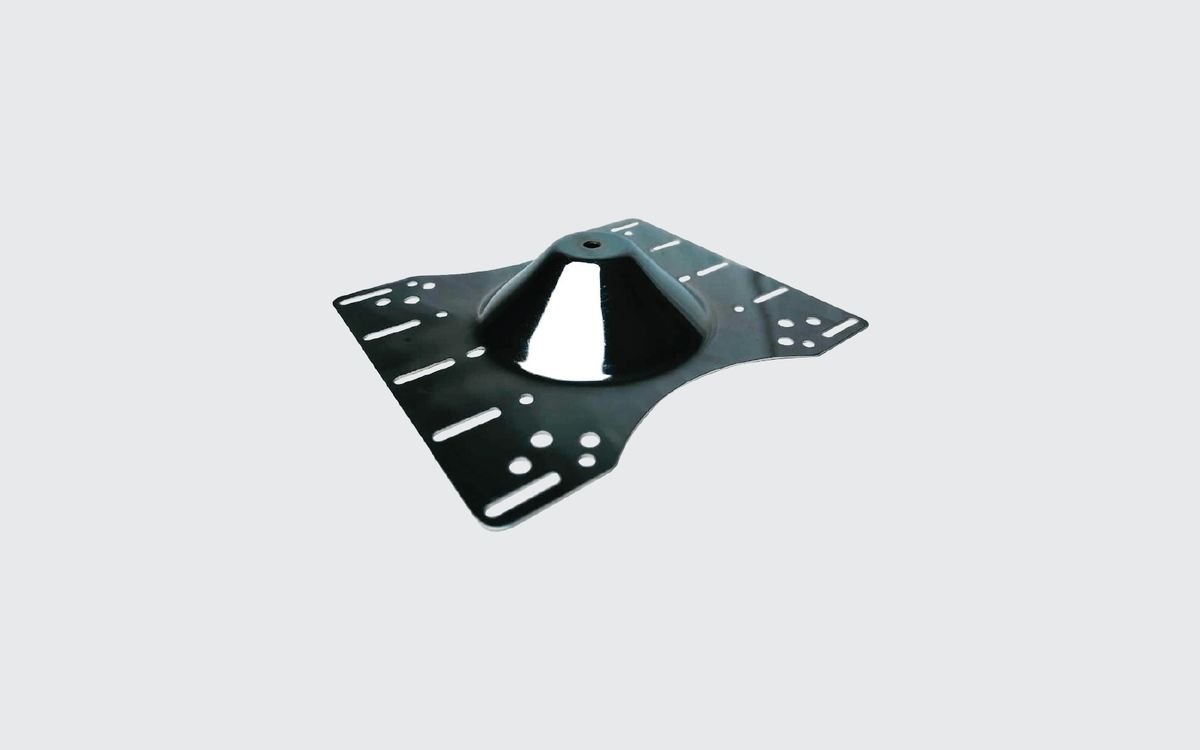
MaxSpan™ 300
Horizontal lifeline riveted to trapezoidal metal roofs, with corner and multi-span travel.
SafeXtra™ 500
Overhead lifeline on steel or concrete structures, for work below the line.
Common questions
Can't find what you need? Call +91 8340 84 84 84 or write to info@jarshsafety.com.
What ladders does VertiGuard 400 fit?
How does the climber connect?
How often are intermediate guides fitted?
Why do I need the extension arm?
Do you install the system as well as supply it?
How often should a fixed line be inspected?
Can LineAlert be added to this system later?
Can I get data sheets and drawings?
Make every ladder climb a connected one.
Send us your roof, ladder or structure details. We'll recommend the layout and components, and quote.