
LineAlert™ · Smart monitoring for fixed lifelinesYour lifeline arrests a fall. Your team knows in a minute.
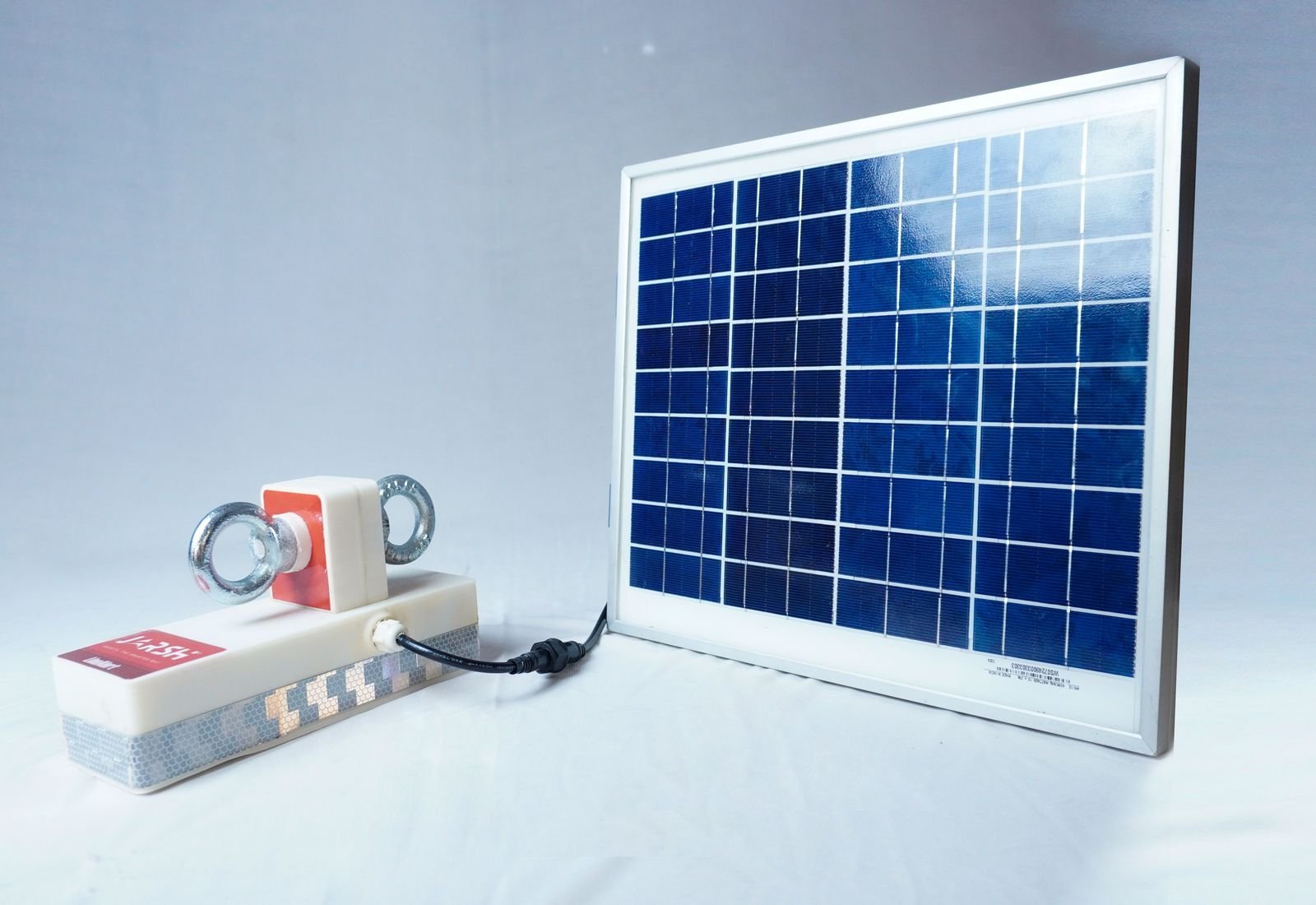
LineAlert fits inline on a horizontal or vertical fixed line and measures its tension around the clock. A sudden spike is flagged as a fall and pushed to your team's phones over LTE within a minute. A slow loss of tension raises a maintenance alert before the line goes out of tune. Solar-powered, IP65, retrofittable.
A fixed line cannot tell you it was used
A passive lifeline does its job in a fall, then waits. Nobody knows it arrested a worker until someone looks, and nobody knows it has gone slack until an inspection. LineAlert closes both gaps.
Without LineAlert
- Tension checked by hand, if at all
- A fall on a remote roof or tower can go unseen
- No record of line health between inspections
- No proof the line was in tune when it mattered
- Problems found after a failure
With LineAlert
- Tension monitored around the clock
- Fall alert on the team's phones within a minute
- Recorded history and trends for every line
- Line condition visible on a dashboard, across sites
- Slack and wear flagged before they become failures
It reads the line's tension, and knows what a fall looks like
Load cell in the line
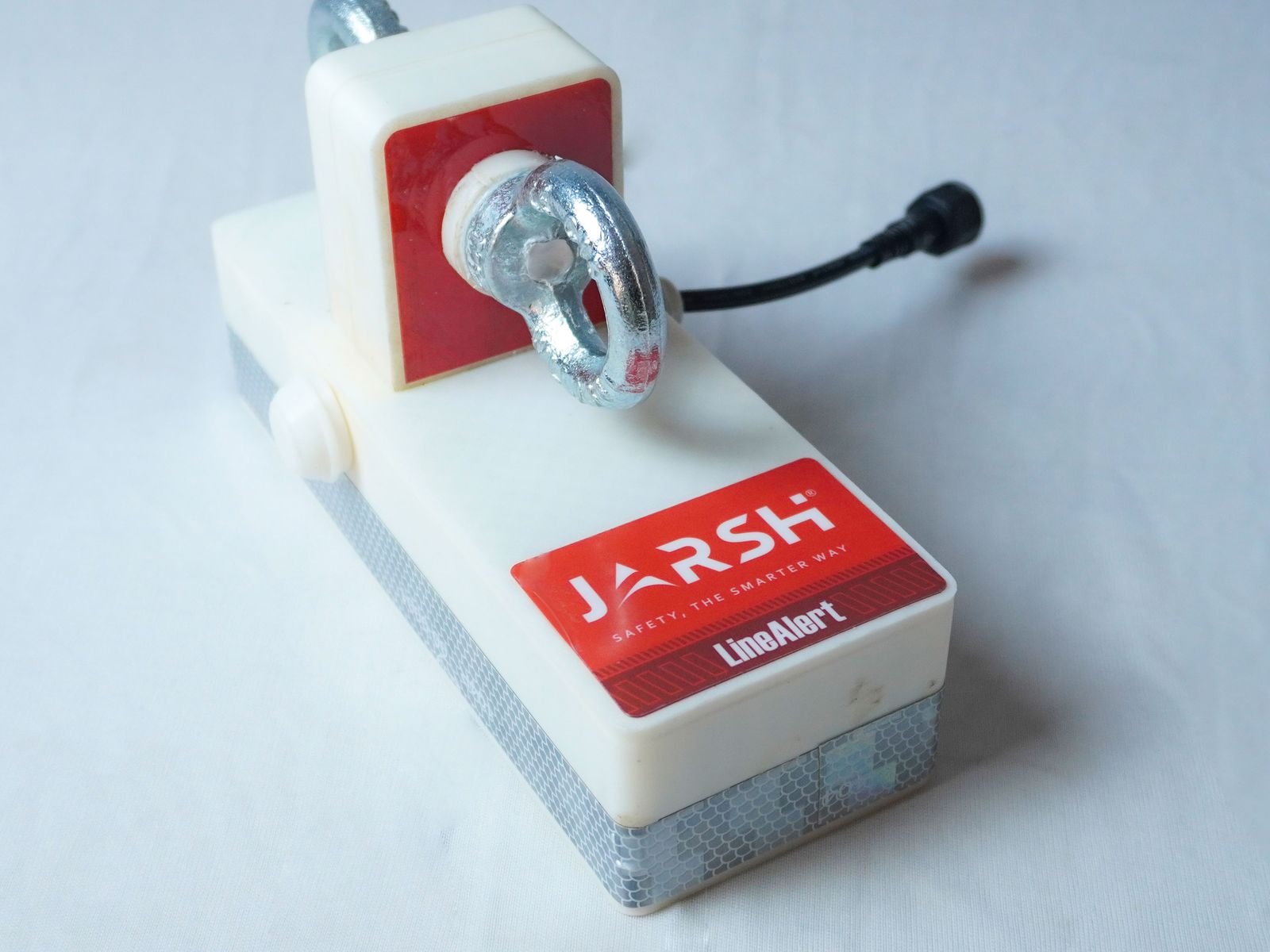
LineAlert sits inline beside the shock absorber, so the line's tension passes through its 20 kN load cell.
Thresholds on the device
Tension is compared with thresholds preconfigured for your line and adjustable from the app.
- Sudden spike: fall event
- Below threshold: slack or wear
LTE to the Jarsh Cloud
Each unit has a unique ID. Fall events go out immediately; routine data uploads on a schedule (hourly by default).
App, dashboard, SMS
- Fall alert in the LineAlert mobile app
- Web and mobile dashboard
- Optional daily health SMS
Two signatures, two kinds of alert
A fall loads the line suddenly and hard: tension spikes far above its working level. Wear, loosening or a damaged component shows as the opposite, tension drifting below where it should be.
- Sudden spike above the fall threshold: classified as a fall event and flagged at once
- Below threshold: slack or wear, so a maintenance alert goes to the person responsible
- Thresholds preconfigured for your line, adjustable in the app
- No action needed from the worker: nothing to press, nothing to wear
LineAlert simulator
Pick a scenario and watch what the line does, what LineAlert sees, and what your team gets on the app.
Tension: 385 (example units)
Last synced: —
Inspection due: 31 Dec
Simulation for illustration. Thresholds, tension values and timings are examples; real thresholds are set for each line. Screens are modelled on the Jarsh LineAlert app.
The right message to the right person
Alerts are about the line, not just the device. Each one tells your team which line, at which site, and what changed.
Fall alert
A high-impact load on the line is classified as a fall and sent as a real-time alert through the LineAlert mobile app, so rescue can start at once.
≤ 1 min responseSlack and wear alert
Tension below the threshold means the line has slackened or something has worn. Maintenance is told before the line goes out of tune.
Condition-basedScheduled maintenance
LineAlert tracks how the line is used and its tension pattern, and reminds you when maintenance is due.
PredictiveDaily health SMS
An optional system-health summary at a set time each day, configured to your requirements.
OptionalFits the lines you already have
- 01Anchor postExisting
- 02Shock absorberExisting, or MS300-03 / VG400-01
- 03LineAlert JSLA-01Fitted inline
- 04TensionerExisting, or MS300-04 / VG400-02
- 05Solar panel10 Wp, supplied
- 06Wire ropeExisting, unchanged
No shutdown. No replacement. No guesswork.
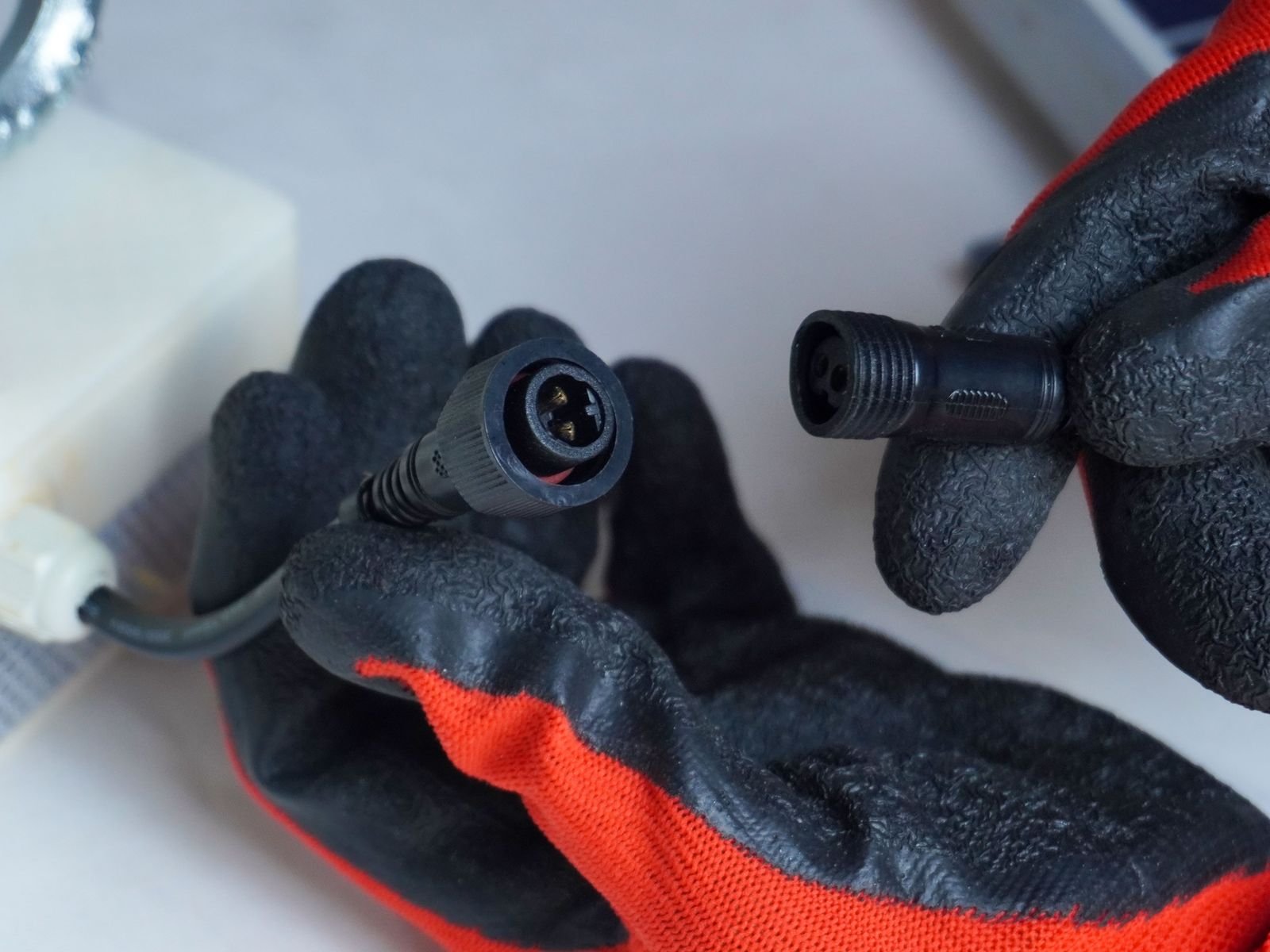
LineAlert is fitted into the existing line beside the shock absorber, and its solar panel is mounted nearby. The rest of the system stays exactly as it is.
- Installed on the current fixed line system
- No additional posts or supports
- No cutting, replacement or redesign
- No operational downtime
- Works on installed horizontal and vertical lines
Lines from other makers. LineAlert connects between the shock absorber and the tensioner. If your line doesn't have compatible parts in that position, we'll tell you which Jarsh shock absorber and tensioner to add (MS300-03 / MS300-04 horizontal, VG400-01 / VG400-02 vertical).
Every line, every site: on your phone and on JarshConnect
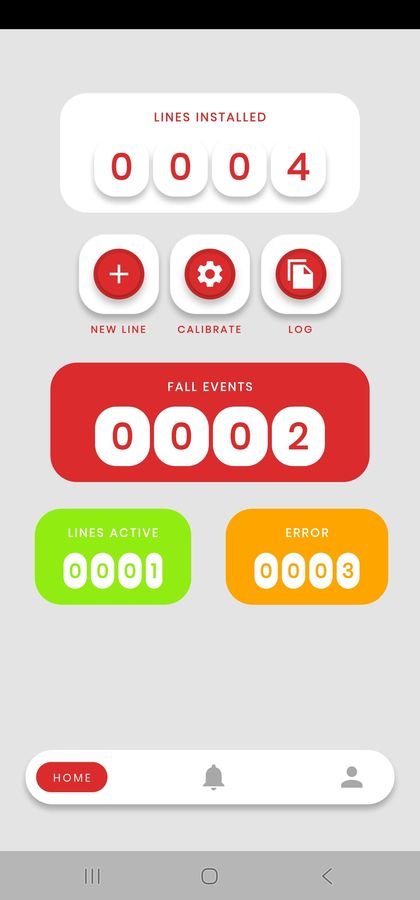
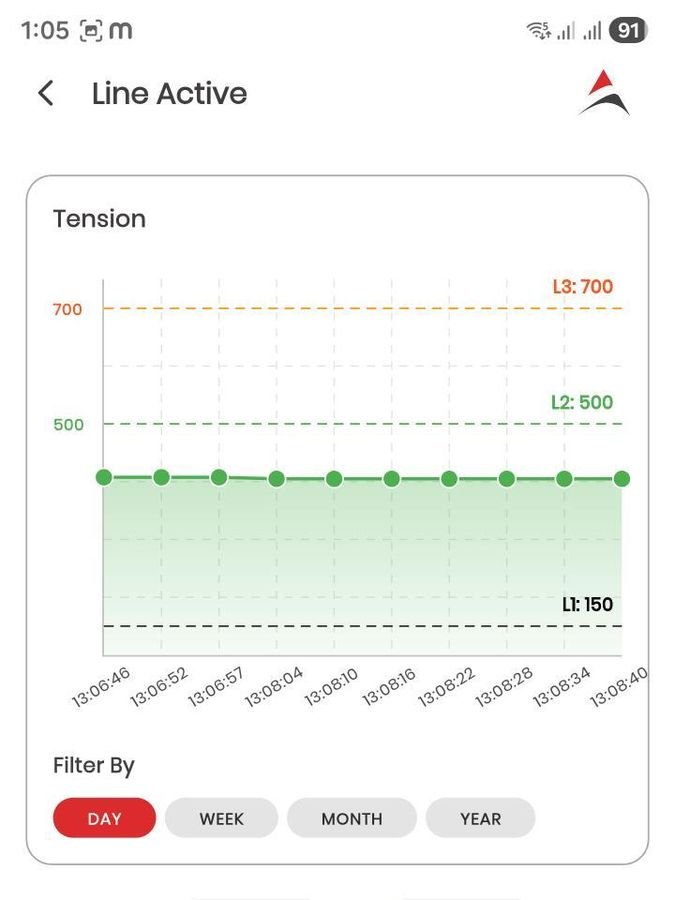
Screens from the Jarsh LineAlert app on Google Play.
The Jarsh LineAlert app
For installers and technicians who set up and service devices, and for site owners who need to know the moment something happens.
- Fall alerts in 1 minute or less, GPS-tagged
- 24×7 line monitoring: lines installed, active, fall events and errors at a glance
- Tension history for each line by day, week, month or year
- Per-line records: emergency contacts, inspection due date, last synced
- Installer tools: add a new line, calibrate, view the log
The JarshConnect dashboard
LineAlert data syncs to JarshConnect, the Jarsh platform for connected safety, alongside WorkAlive, Connected Electrical Safety and Workforce Alert. Safety managers see every line at every site, with a recorded history for audits.
Manuals, inspection checklists and the maintenance guide are on JarshConnect support.
Runs on sunlight, keeps going without it
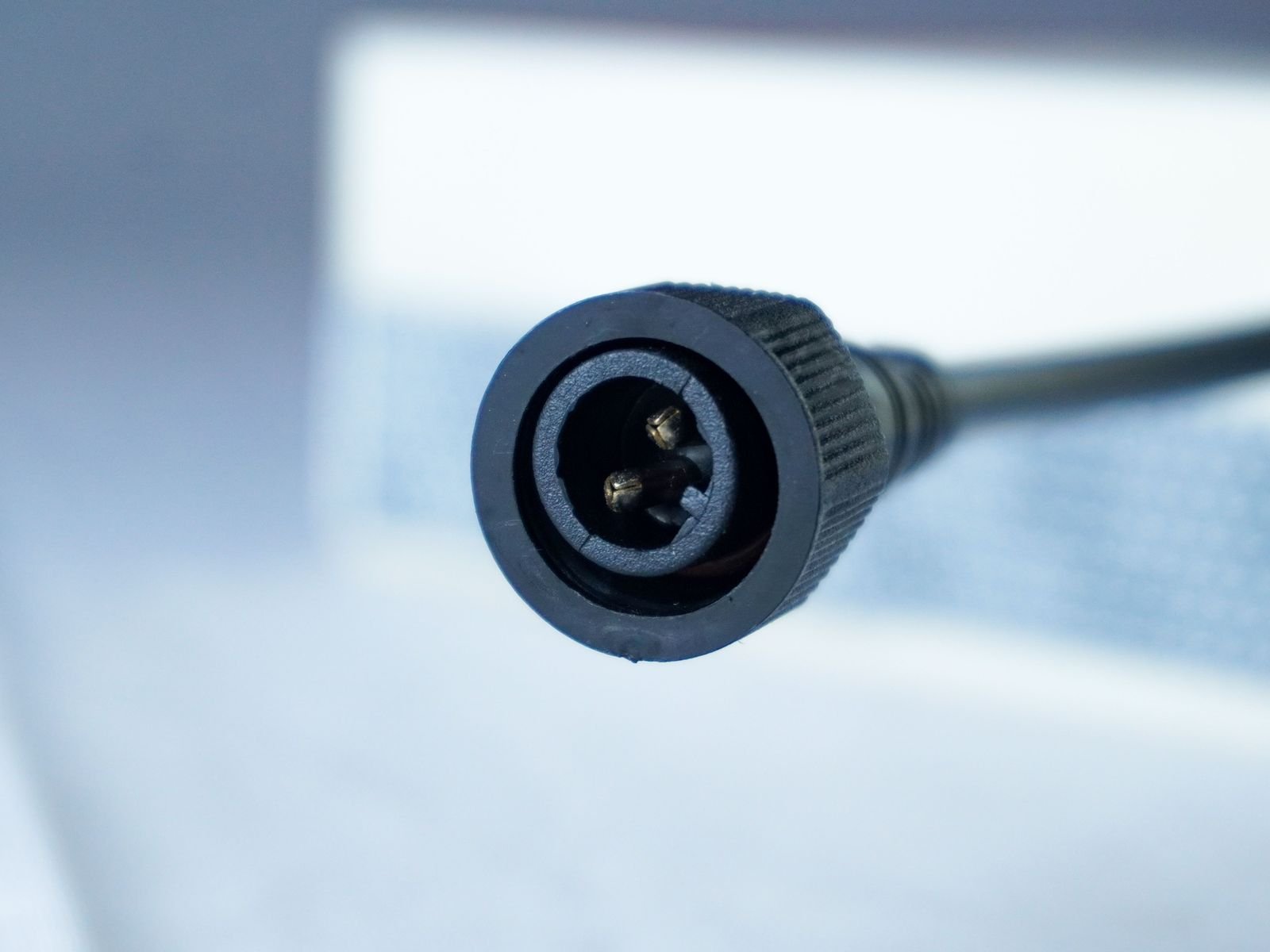
No mains power, no cable runs across the roof. A small panel next to the line keeps LineAlert charged, and a full battery carries it through about six sunless days.
10 Wp panel
18 V rated, 0.56 A. Recharges a flat battery in about 2 days of sun.
10,400 mAh Li-ion
About 6 days of running on a full battery with no sun at all.
More than 30 days on board
Readings are stored on the device and synced over LTE, so a coverage gap doesn't lose data.
For lines nobody watches all day
Remote roofs and plant
Rooftops where a fallen worker could hang unseen for hours.
Telecom and transmission towers
Vertical lines on structures far from the nearest supervisor.
Multi-site estates
Warehouses, depots and campuses where safety teams manage dozens of lines.
Compliance-driven sites
Operators who want a recorded history of line condition and incidents.
Made for Jarsh Fixed Line Systems, and others
LineAlert fits horizontal and vertical lines: MaxSpan 300 over the roof, SafeXtra 500 overhead and VertiGuard 400 on ladders.
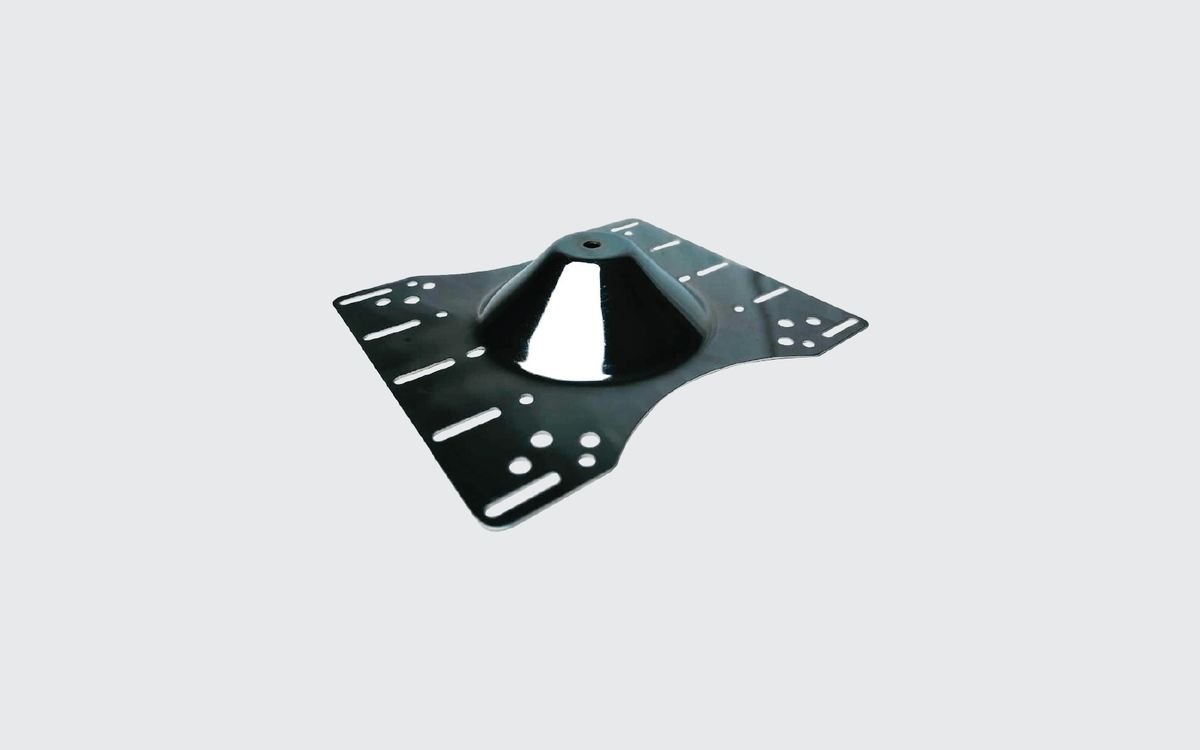
MaxSpan™ 300
Horizontal lifeline riveted to trapezoidal metal roofs, with corner and multi-span travel.
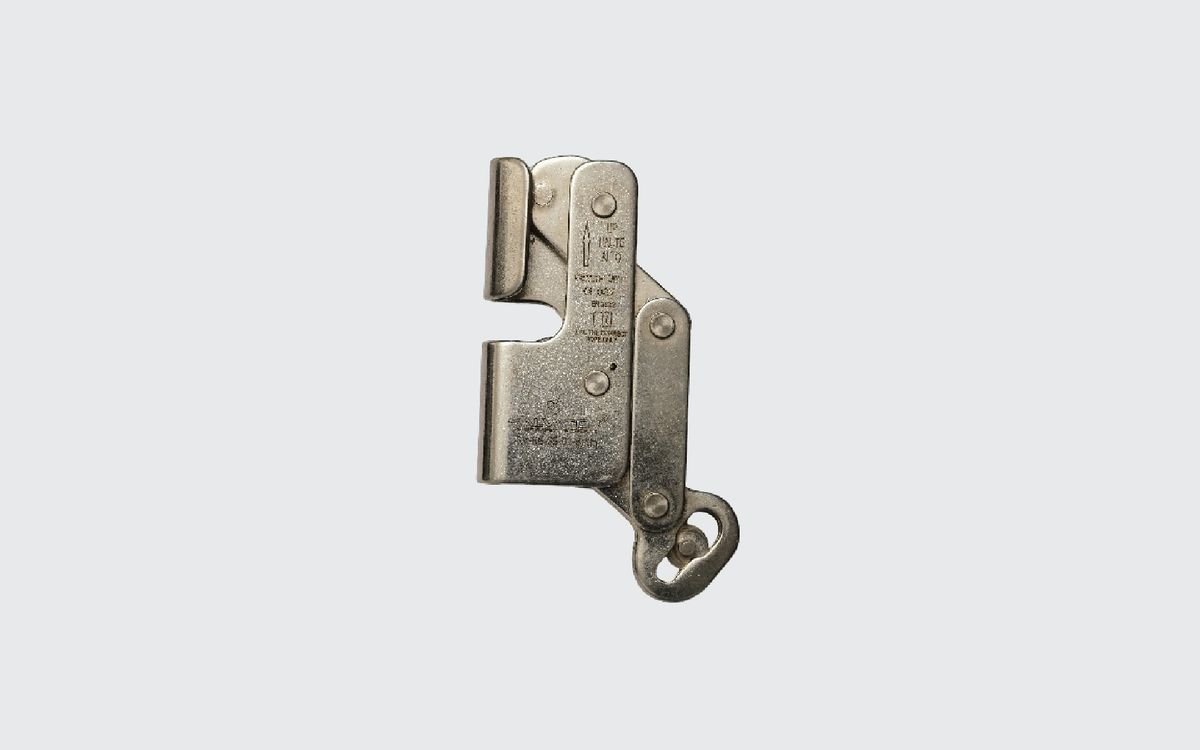
VertiGuard™ 400
Vertical lifeline for fixed ladders with a self-locking rope grab and step-off extension.
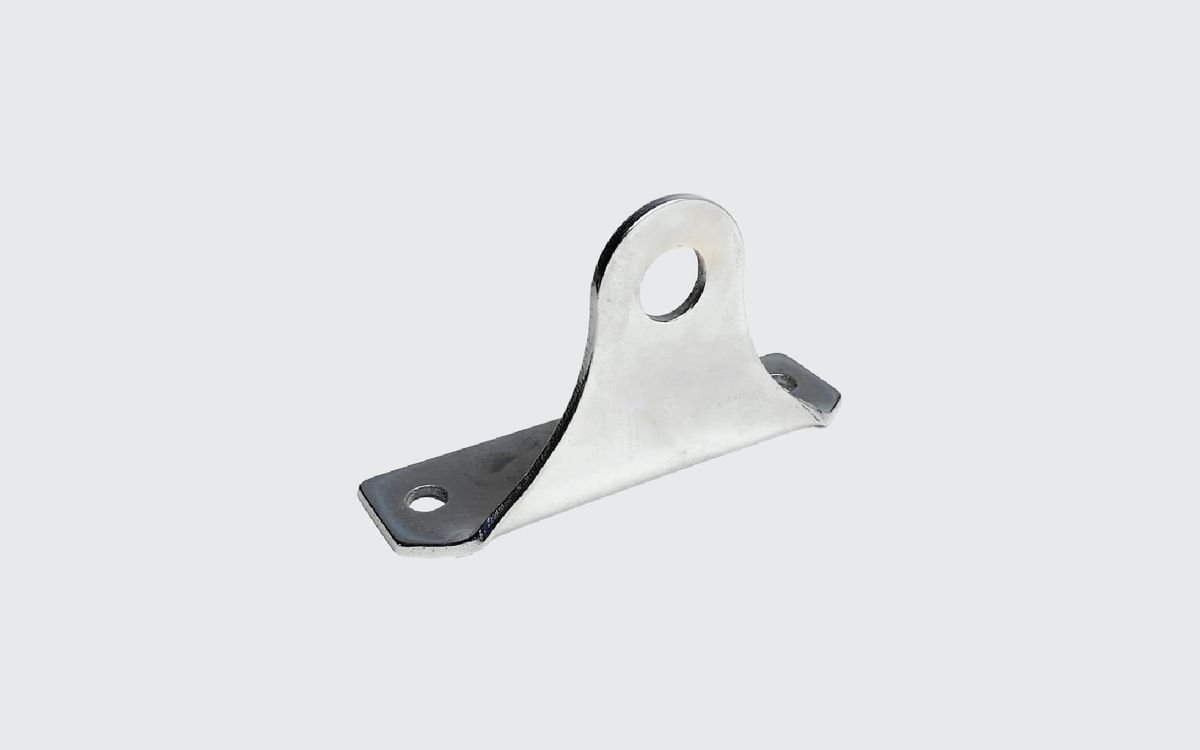
SafeXtra™ 500
Overhead lifeline on steel or concrete structures, for work below the line.
Specifications
LineAlert™JSLA-01
Load cell
- Sensor capacity
- 20 kN full scale
- Safe overload
- 120 % of full scale
- Ultimate overload
- 150 % of full scale
Monitoring and alerts
- Fall detection response
- ≤ 1 minute
- Tension thresholds
- Preconfigured, adjustable in the app
- Alerts
- Fall events; slack or wear (below threshold); scheduled and condition-based maintenance
- Daily health SMS
- Optional, at a set time; configurable
Connectivity and data
- Network
- LTE
- Upload frequency
- Configurable; 1 hour by default
- Onboard data retention
- More than 30 days
- Cloud
- Jarsh Cloud Platform; unique device ID
- Dashboard
- Web and mobile: current tension, history, fall log, maintenance status, device health, site map
Power
- Battery
- Li-ion, 10,400 mAh
- Battery voltage
- 4.2 V charging; 4.2 V – 2.8 V operating
- Ideal charge time
- 10.4 hours at 1 A
- Solar panel
- 10 Wp; rated 18 V, 0.56 A
- Recharge from solar
- About 2 days
- Runtime with no sun
- About 6 days on a full battery
Enclosure
- Dimensions
- 217 × 124 × 109 mm
- Weight
- 1.3 kg
- Flame retardancy
- UL 94 V-0
- Ingress protection
- IP65
- Operating temperature
- 10 °C to 65 °C
Fits
- Lines
- Horizontal and vertical fixed line systems
- Position
- Inline, beside the shock absorber and tensioner
Specifications per Jarsh TDS JSLA-01, V0.2 · 11.2025. Retrofit details per the Jarsh LineAlert retrofit sheet (01.2026).
Common questions
Can't find what you need? Call +91 8340 84 84 84 or write to info@jarshsafety.com.
What does LineAlert actually measure?
How quickly does it report a fall?
Does the worker need to wear or press anything?
Can it be fitted to a line we already have?
What happens if there is no mobile signal for a while?
How is it powered?
Is it weatherproof?
Can alert thresholds be changed?
Who sees the data?
Is there a mobile app?
Does LineAlert replace inspection or rescue planning?
Find out the moment your lifeline is used.
Tell us how many lines you have and where. We'll check compatibility and coverage, arrange a demo and quote.