
BLOG
Intrinsically Safe Communication: Keeping Workers
Connected in Hazardous ATEX Zones
NOVEMBER 15, 2025
CATEGORY: ATEX ZONE SOLUTIONS
The Hidden Challenge in Hazardous Zones
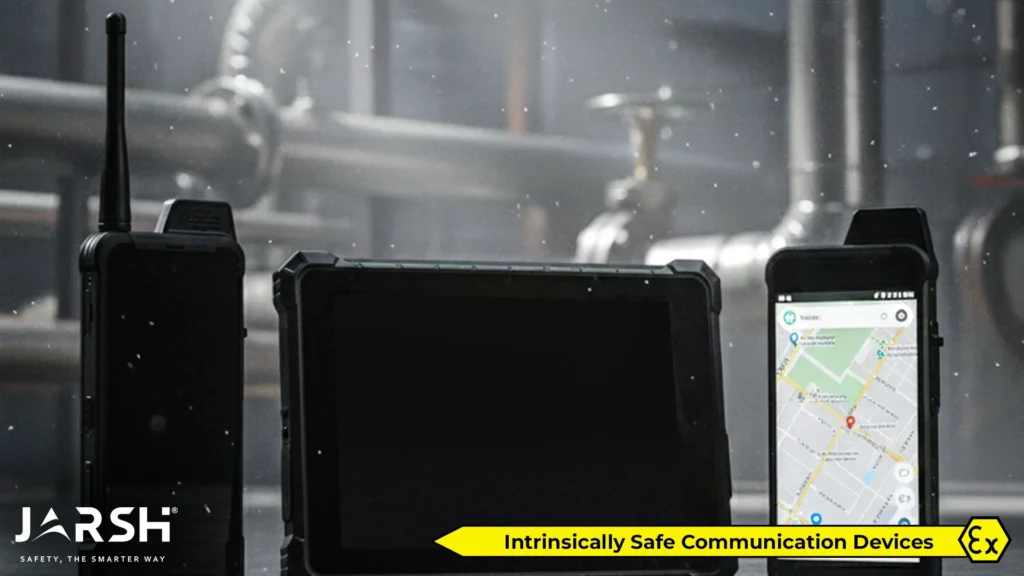
In refineries, chemical plants, or mining tunnels, communication is more than coordination – it’s a lifeline. Yet these environments are filled with flammable gases, vapors, and dust that can ignite with a single spark. Regular electronics simply can’t be trusted here.
That’s where intrinsically safe communication devices come in built to operate reliably in high-risk zones without creating ignition sources.
Understanding ATEX and Intrinsic Safety
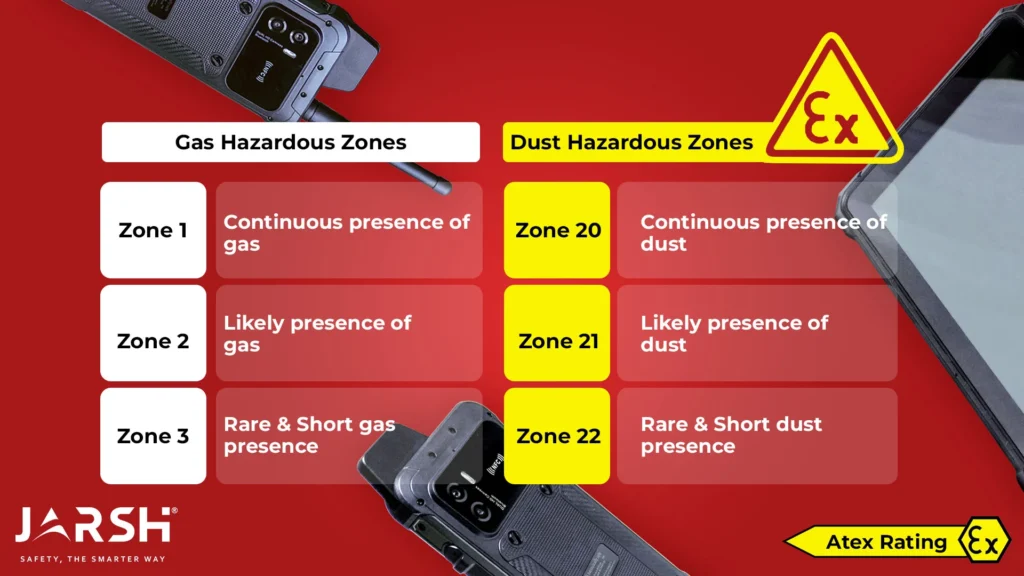
ATEX (ATmosphères EXplosibles) is the European standard that classifies zones based on the likelihood of explosive atmospheres being present:
- Zone 0 / 20: Constant presence of explosive gases or dust
- Zone 1 / 21: Likely presence during normal operations
- Zone 2 / 22: Rare or brief presence
In these areas, even static electricity can trigger ignition. Intrinsically safe devices are engineered to limit the electrical and thermal energy within circuits so they cannot ignite hazardous mixtures – even in the event of a fault.
In simple terms, they’re designed to keep working where failure isn’t an option.
Why Traditional Communication Fails in ATEX Zones
Ordinary smartphones, radios, and tablets generate heat and sparks that can instantly compromise worker safety. Moreover, using multiple devices for communication, tracking, and reporting creates delays and confusion during emergencies.
The challenge isn’t just safety, it’s reliability under extreme pressure. When communication breaks down, supervision fails, rescue gets delayed, and accountability disappears.
The Jarsh Approach: Intrinsically Safe and Intelligently Connected
Jarsh’s ATEX-certified smartphones and tablets, like the JAS ATEX 5G Phone and JAS ATEX Tab, combine safety and connectivity in one rugged form factor.
- ATEX Certified: Tested for gas and dust zones (Zone 1 & 2 / 21 & 22).
- Intrinsically Safe Design: Built to prevent ignition from electrical or thermal energy.
- Ruggedized Performance: IP68/IP69K rated, waterproof, dustproof, and drop-resistant.
- 5G + DMR Communication: Dual SIM connectivity with inbuilt digital radio for areas without network coverage.
- Mission-Critical Features: SOS and Push-to-Talk buttons for instant emergency alerts.
These features empower field teams to communicate, coordinate, and report from hazardous areas without compromising safety compliance.
Real-World Use Case: Refinery Turnaround Operations
During plant shutdowns or turnaround maintenance, hundreds of workers enter confined, ATEX-classified zones simultaneously. Supervisors rely on real-time updates from various sections welding, cleaning, inspections, and gas testing.
Using intrinsically safe devices, supervisors can instantly relay instructions, document progress, and even share images or video without risking ignition.
The result: faster communication, fewer incidents, and complete operational visibility.

The Productivity-Safety Equation
Safety isn’t just about avoiding incidents it’s about maintaining momentum. When workers feel safe using tools designed for their environment, productivity naturally improves.
By adopting intrinsically safe communication solutions, industries not only meet compliance but also empower teams to make decisions faster and respond smarter.
Building a Safer, Smarter Worksite
As industries evolve, so do the risks. Connected, intrinsically safe technology bridges the gap between safety and performance. It’s about enabling communication without compromise – whether deep in a mine shaft or across a refinery floor.